
7 Powerful Benefits of Rubber Finger Cots for Work
Rubber finger cots for work are one of the simplest ways to protect injured, sensitive, or high-friction fingers during daily tasks. Whether you work with tools, packaging, electronics, cleaning supplies, paperwork, or repetitive hand motion, protecting one finger properly can reduce pain, improve grip, and help you keep working more comfortably.
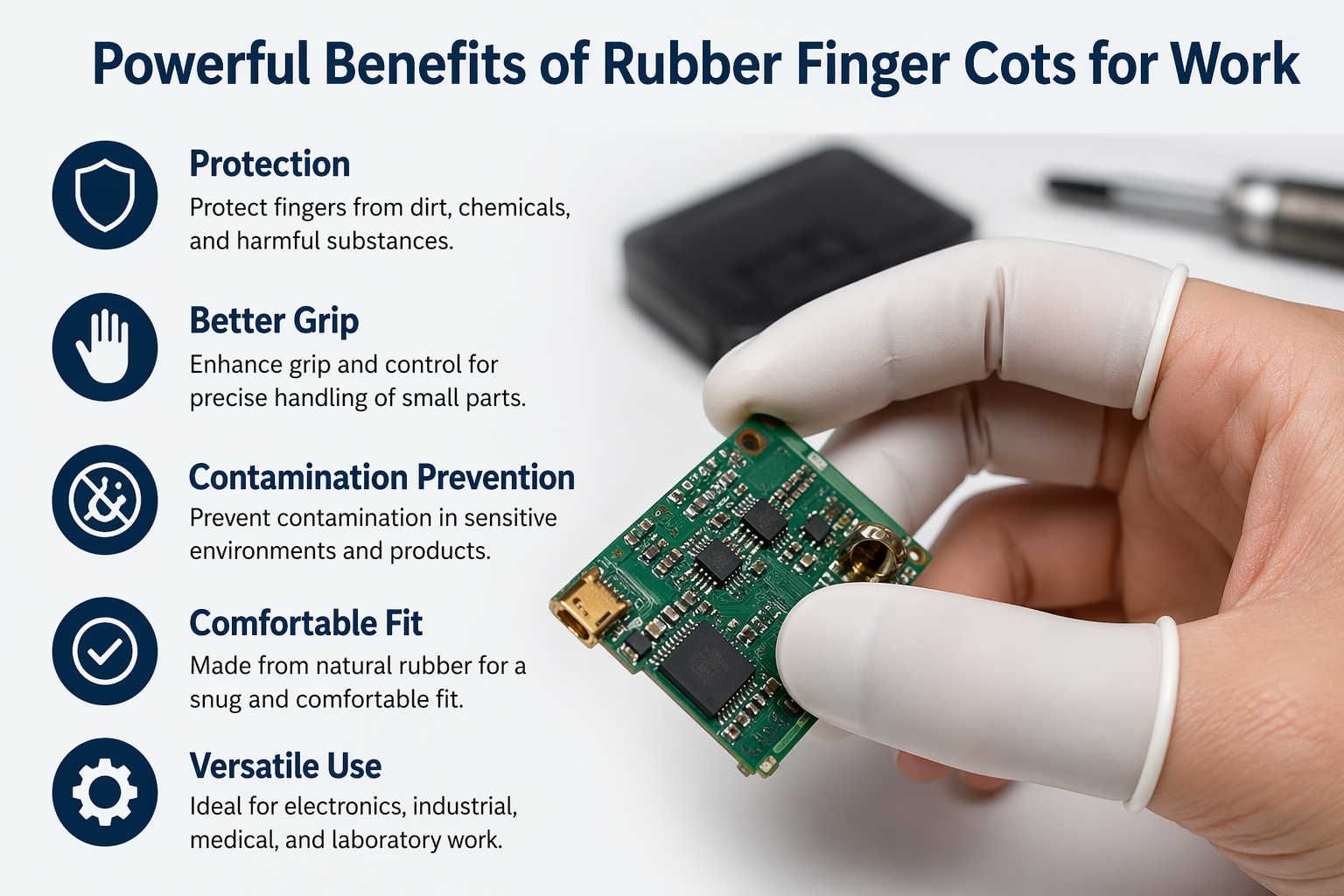
Why Workers Need Finger Protection
Small Injuries Become Big Problems
Minor cuts, cracked skin, fingertip tenderness, and friction burns are often ignored at work. But repeated contact with tools, surfaces, dust, moisture, and pressure can make healing slower and everyday tasks more painful.
Hands Do the Hardest Work
When your fingers are constantly in motion, even a small painful area can affect speed, control, confidence, and comfort. That is why protective solutions matter before the injury gets worse.
If you want a broader protection overview, read our complete guide on orthopedic splints and explore practical options in our finger cots collection.

How Rubber Finger Cots for Work Help
Rubber finger cots create a snug protective barrier over a single finger. They help reduce direct contact with rough surfaces, moisture, dust, and daily friction. Compared with bulky wraps or makeshift coverings, they are more practical for people who still need finger movement while working.
7 Benefits That Make Them Worth Using
1. Fast Protection
You can cover a sensitive or injured finger in seconds before starting work.
2. Better Comfort
A protected finger usually feels less exposed to rubbing and daily irritation.
3. Cleaner Work Contact
They add a barrier between the finger and many everyday surfaces.
4. Useful for Repetitive Jobs
Helpful for packing, sorting, handling small items, cleaning, and detailed tasks.
5. Flexible Fit
They are easier to wear than bulky bandaging when movement still matters.
6. Budget-Friendly
Simple finger protection can be much more affordable than dealing with a worsened injury.
7. Helps You Stay Productive
When pain, friction, or sensitivity is reduced, many people can work more confidently and with fewer interruptions.
With vs Without Rubber Finger Cots
Without Finger Protection
- More irritation during repetitive work
- Greater exposure to rubbing and contact
- Lower comfort during gripping or handling tasks
- More awareness of pain from minor fingertip injuries
- Higher chance of stopping work repeatedly to adjust
With Rubber Finger Cots for Work
- Finger feels more protected during daily tasks
- Useful barrier between skin and work surfaces
- Comfort can improve during light-to-moderate activity
- Better confidence when handling tools or materials
- Practical support for staying on task
How to Use Them Properly
For more structured support when protection alone is not enough, see our finger brace, stack splint, and splint for hand and fingers options.
Rubber Finger Cots in Real Work Environment
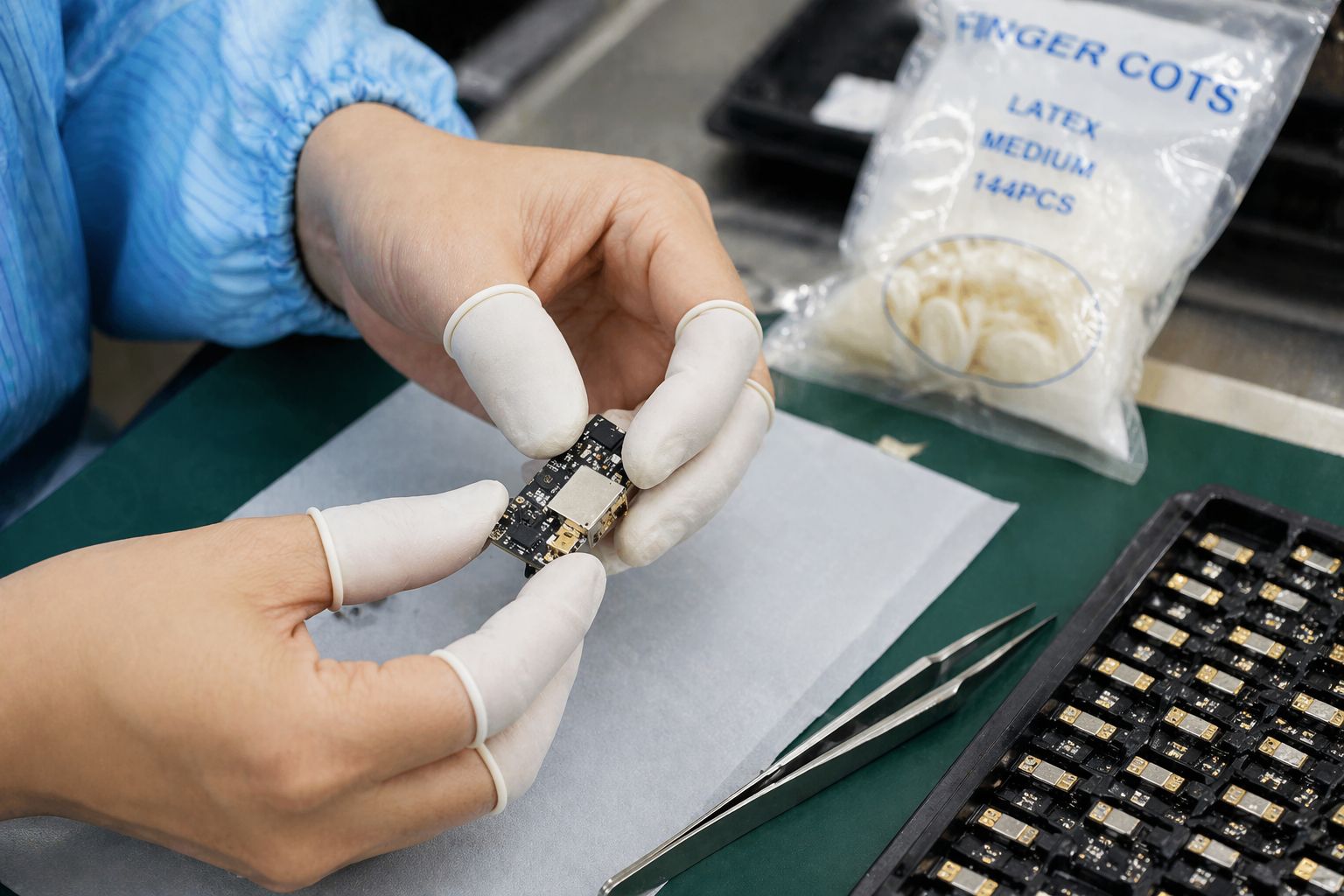
Finger cots provide precision grip, hygiene, and protection during delicate work tasks.
Common Mistakes
- Using a cot that is too tight and uncomfortable
- Leaving it on too long without checking the skin
- Using finger protection when the injury clearly needs medical care
- Continuing rough work without replacing a damaged cot
- Ignoring signs of material sensitivity or allergy
Who Should Use or Avoid Them
Good for: workers with minor cuts, sensitive fingertips, light skin irritation, friction-prone tasks, packaging work, electronics handling, cleaning, and repetitive hand jobs.
Avoid or get medical advice first: deep wounds, major swelling, possible fractures, severe bleeding, worsening pain, or clear allergy to rubber or latex-based materials.
Doctor Advice
Finger protection can be useful for minor surface-level issues, but it is not a substitute for professional treatment when an injury is serious. If there is deep tissue damage, deformity, severe pain, numbness, or infection concern, proper medical evaluation matters.
For general wound-care reading, you can review guidance from Mayo Clinic, WebMD, and Healthline.
Soft Product Recommendation
If your goal is everyday protection during work, rubber finger cots can be a smart first step. If you need more coverage or support, you can also explore our silicon finger protector, finger sleeves, and finger protector options.
If your finger pain is related to impact, strain, or a more stable support need, you may want to learn more through our medical splint guide and finger splint for injury article.
Bundle Strategy for Better Results
Protection Bundle
Pair rubber finger cots with finger sleeves for people who need flexible daily coverage in different situations.
Recovery Bundle
Add a finger exerciser or finger gripper later when comfort improves and controlled hand movement becomes part of recovery.
Protect Your Finger Before Work Gets Harder
Small finger problems can turn into major work interruptions when they are left exposed. Choose simple protection now, work more comfortably, and support better daily function.
Shop Finger ProtectionFrequently Asked Questions
Are rubber finger cots good for work?
They can be very useful for protecting a minor finger issue from friction, light contact, and everyday handling during work tasks.
Can I use rubber finger cots for cuts?
They may help protect minor superficial cuts, but deeper wounds or injuries that look serious should be assessed by a medical professional.
Do rubber finger cots help with grip?
For some tasks they can improve comfort and confidence, though performance depends on the material, fit, and the kind of work being done.
Can I wear one all day at work?
It is better to check the finger regularly, keep the area clean, and replace the cot when it becomes dirty, uncomfortable, or damaged.
Who should not use them?
People with severe injuries, major swelling, suspected fractures, or known material allergies should not rely on a simple finger cot as the only solution.
What if I need stronger support than a finger cot?
You may need a more supportive product such as a brace or splint, depending on the type of finger problem and activity level.
Conclusion
Rubber finger cots for work are a simple, practical solution for protecting a vulnerable finger during daily tasks. They can reduce discomfort, add a barrier against contact and friction, and help you stay more productive. For workers who need light, convenient finger protection without bulky wrapping, they are often a smart option to keep on hand.