
Finger Cots for Sensitive Skin: Gentle Daily Protection That Actually Helps
Finger cots for sensitive skin can help protect irritated, delicate, or easily inflamed fingers from friction, moisture, and repeated daily contact. If your fingertips react badly to rough surfaces, bandages, or constant rubbing, the right protection can reduce irritation and make simple tasks feel much easier.
This guide explains who should use them, when they help most, how to choose the best option, and what mistakes to avoid. For a broader complete guide to fingertip coverage, start with our main finger cots resource.
Table of Contents
- What are finger cots for sensitive skin?
- Who should use them?
- Why sensitive fingers get worse during daily tasks
- Finger cots for sensitive skin benefits
- With vs without protection comparison
- How to use them correctly
- Quick tips for gentle protection
- Common mistakes to avoid
- Doctor advice and FAQs
Quick Answer
Finger cots for sensitive skin help reduce direct contact, friction, and daily irritation around delicate fingertips. They create a light protective barrier that can make minor cuts, cracked skin, bandaged fingers, or easily irritated areas more comfortable during routine tasks when used correctly.

What Are Finger Cots for Sensitive Skin?
Finger cots are small covers designed to fit over one finger. When used for sensitive skin, their main purpose is to reduce direct rubbing, protect irritated areas, and make everyday tasks easier when one fingertip feels sore, tender, cracked, or reactive.
They are often useful when full gloves feel bulky but you still want one area covered. If you are comparing softer protection options, you can also learn more about silicone finger protection for cuts and sensitive skin.
Who Should Use Finger Cots for Sensitive Skin?
People With Cracked or Tender Fingertips
If dry skin, peeling, or cracking makes daily tasks painful, light fingertip coverage can reduce contact and friction.
People Covering a Small Bandage
If you already have a dressing on a sensitive finger, finger cots can add a cleaner outer layer during routine activity.
Workers With Repeated Hand Use
If you type, clean, package, handle tools, or wash your hands often, the same irritated spot can keep getting worse without protection.
People Needing Gentle Daily Support
If your finger is irritated but does not need rigid support, finger cots may be the best protection option for comfort.
If your issue is more structural than skin-related, review our medical splint collection and full breakdown of orthopedic support options.
Why Sensitive Fingers Get Worse So Easily
Sensitive skin on the fingers can worsen fast because the hands are constantly in use. Even light tasks such as washing, typing, gripping, cleaning, opening packages, cooking, or handling paper can keep irritating the same area over and over again.
- Frequent washing can dry the skin further.
- Friction from daily movement can keep cracking or tenderness active.
- Moisture, soap, chemicals, and rough surfaces can increase discomfort.
- Uncovered irritation is more likely to get bumped or rubbed.
If your routine includes active work conditions, our guide on rubber finger cots for work explains how protective coverage helps during more demanding daily use.
How Do Finger Cots for Sensitive Skin Help? (Doctor Explanation)
Finger cots create a simple barrier between the irritated finger and the outside world. That barrier can make a noticeable difference when the main problem is repeated contact rather than a serious structural injury.
- Less friction: helps reduce rubbing against fabrics, tools, packaging, and surfaces.
- Better comfort: gives sensitive fingertips a calmer environment during daily tasks.
- Cleaner coverage: useful when protecting a small dressing or minor tender area.
- More confidence: makes work, chores, and routine movement feel less irritating.
For users asking whether finger cots also support healing in more general situations, our article on do finger cots help wounds heal faster gives a helpful cluster explanation.
Finger Cots for Sensitive Skin: 7 Doctor-Approved Benefits
- Helps reduce direct irritation from repeated daily contact.
- Protects delicate fingertips during light household or work tasks.
- Adds comfort over small dressings without covering the whole hand.
- Helps sensitive skin feel less exposed during movement.
- Useful for cracked or peeling fingertips that react to dry air or rough surfaces.
- Simple one-finger solution when gloves feel too bulky.
- Supports a better daily protection routine for recurring fingertip discomfort.
If your sensitivity is linked to cuts or daily wound care, our related articles on finger cots for bandage protection and finger cots for wounds may also be useful.
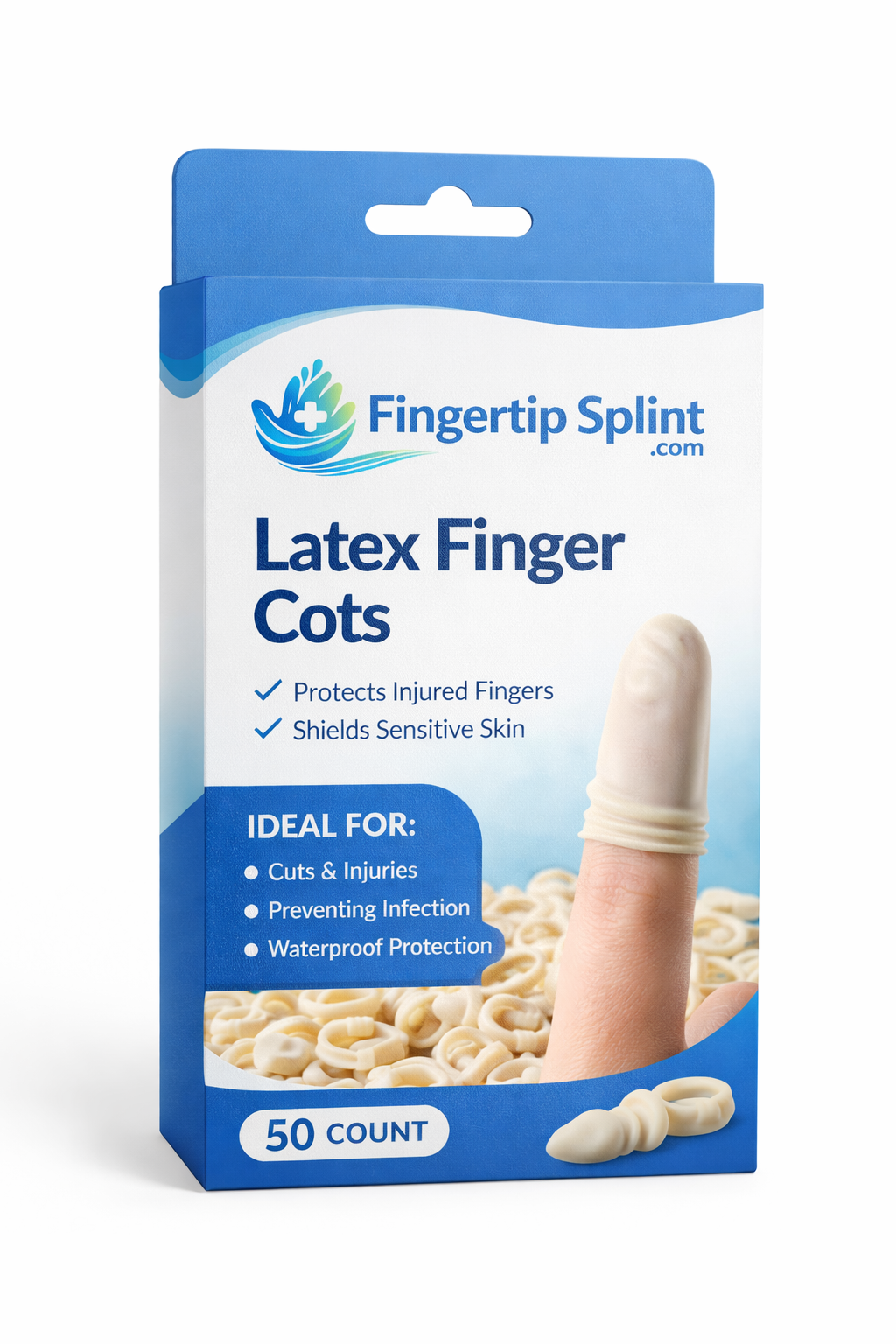
With vs Without Finger Cots
| Daily Situation | Without Protection | With Finger Cots |
|---|---|---|
| Pain / irritation | Sensitive skin gets rubbed repeatedly | Less direct contact during activity |
| Healing comfort | Finger stays exposed to friction | Feels more protected and comfortable |
| Risk of worsening | Cracks or tender areas may keep getting irritated | Barrier helps reduce everyday aggravation |
| Comfort | Simple tasks may feel annoying or painful | Daily use often feels easier |
| Daily life | You may avoid tasks because of irritation | More confidence doing routine tasks |
How to Choose the Best Protection Option
If your main concern is surface irritation, tenderness, or protecting a minor sensitive area, finger cots are often the recommended solution. If your problem is pain from movement, joint stress, or injury, you may need support rather than surface coverage.
Choose Finger Cots If:
- You want gentle fingertip coverage
- You have sensitive, cracked, or irritated skin
- You want a light layer over a dressing
- You do not need rigid support
Choose a Splint If:
- You need stability or finger positioning
- You have sprain-related or impact-related pain
- You are managing a more serious injury
- You need structure, not just surface protection
Compare support options like a stack splint, mallet finger splint, or finger splint for pinky finger if the problem goes beyond skin sensitivity.
How to Use Finger Cots for Sensitive Skin Correctly
- Start with clean, dry hands.
- If needed, apply any dressing or skin care product first.
- Choose a size that feels snug but not painfully tight.
- Use it during the task that usually causes irritation.
- Remove and replace if it becomes uncomfortable, wet, or dirty.
- Do not keep reusing damaged disposable finger cots.
If skin sensitivity becomes worse around moisture or showering, you may also want to read our post on waterproof finger cots for shower.
Quick Tips for Better Sensitive Skin Protection
- Use finger cots during the tasks that trigger the most irritation.
- Choose a fit that protects without squeezing too tightly.
- Replace after heavy moisture exposure or visible wear.
- Use them as a comfort tool, not as a substitute for proper care.
- If the skin is very reactive, reduce other sources of friction too.
- If you need broader comfort, combine them with softer finger sleeves for non-work periods.
Common Mistakes to Avoid
- Using the wrong size: too tight can feel irritating instead of helpful.
- Ignoring the cause: if your skin is repeatedly worsening, do not rely on protection alone.
- Wearing damaged or dirty finger cots: protection only works when it stays clean and usable.
- Using finger cots when support is actually needed: pain from joints or impact usually needs a brace or splint.
- Overlooking related triggers: soaps, repeated handwashing, and friction may need to be addressed too.
Recommended Solution for Delicate Fingertips
If you are dealing with one irritated finger that needs simple daily coverage, finger cots are often the best protection option. They are light, focused, and more practical than wearing a full glove when only one sensitive area needs attention.
For shopping options, browse our latex finger cots product page, explore the shop collection, or visit our FAQ page for more answers before you buy.
Best Recovery Bundle
Some people get better results by combining products depending on the time of day and the kind of activity involved:
- Finger cots for direct protection during tasks that cause irritation
- Finger sleeves for softer comfort during lighter daily use
- Finger brace or splint if support becomes necessary outside sensitive skin care
This combination works especially well for people moving between work, chores, typing, and handwashing throughout the day.
Doctor Advice: When to See a Professional
Finger cots for sensitive skin can be helpful for mild daily irritation, but they are not a replacement for proper medical advice. If the finger becomes very red, swollen, painful, deeply cracked, or is not improving, it is important to get evaluated.
- See a professional if pain is getting worse instead of better.
- Get help if the area is deeply cracked, bleeding often, or looks infected.
- Consider evaluation if finger movement is painful or limited.
Trusted resources like Mayo Clinic, WebMD, Healthline, and Cleveland Clinic also recommend paying attention to skin breakdown, infection signs, and wounds that do not improve.
Protect Sensitive Fingers the Smarter Way
If daily friction keeps making one fingertip feel worse, choose a simpler and gentler solution. Finger cots can help reduce contact, improve comfort, and support a better protection routine.
Learn more in our complete guide if you want a full breakdown of finger cot options before buying.
Shop Finger Cots NowFAQs
Conclusion
Finger cots for sensitive skin are a smart option when you want light, focused protection for a tender fingertip. They help reduce irritation, improve daily comfort, and make routine tasks easier without the bulk of full gloves. If your main goal is gentle coverage and better day-to-day comfort, they are often the right place to start.