
Cricket Knee Injury: Best Knee Splint Support For Faster Recovery
Recover with confidence using proper knee support. Learn cricket knee injury causes, treatment options, and discover the Cricket Pad Splint Knee designed for sports recovery and protection.
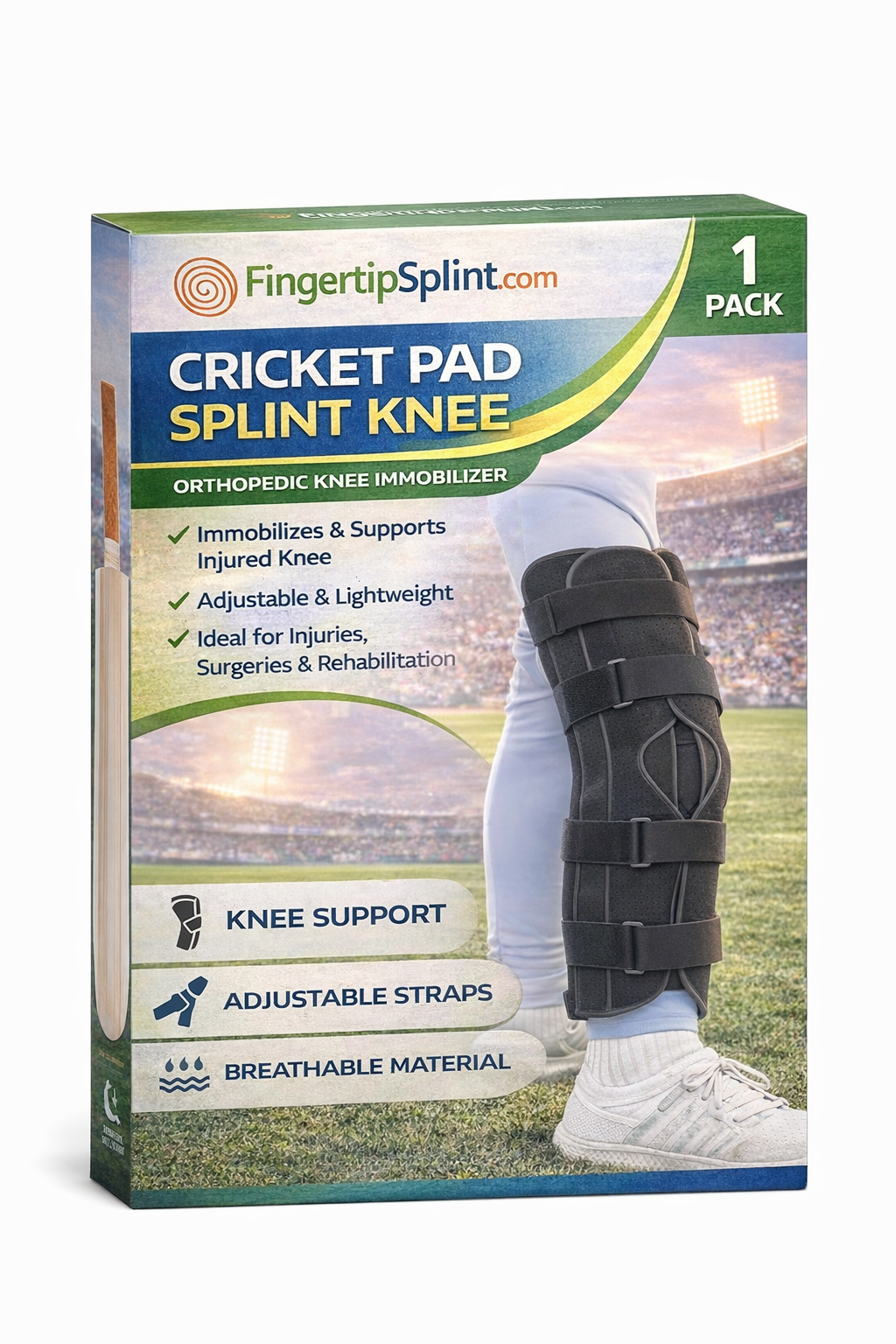
🏏 Recommended Cricket Pad Splint Knee
Designed for cricket players who need knee protection, stability and support after sports injuries or during recovery.
Product Design & Features
See the material, structure and support features before choosing your cricket knee protection solution.
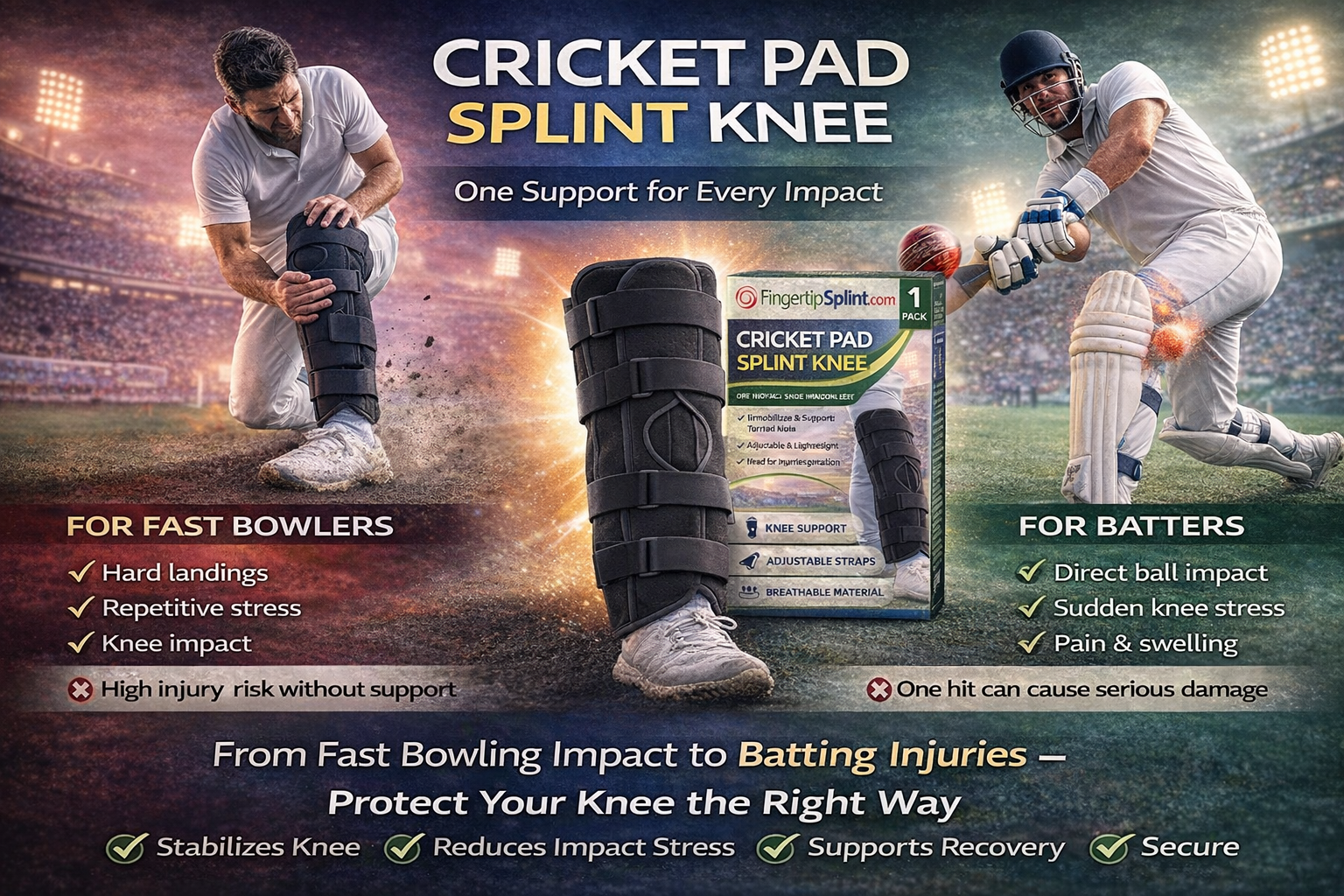
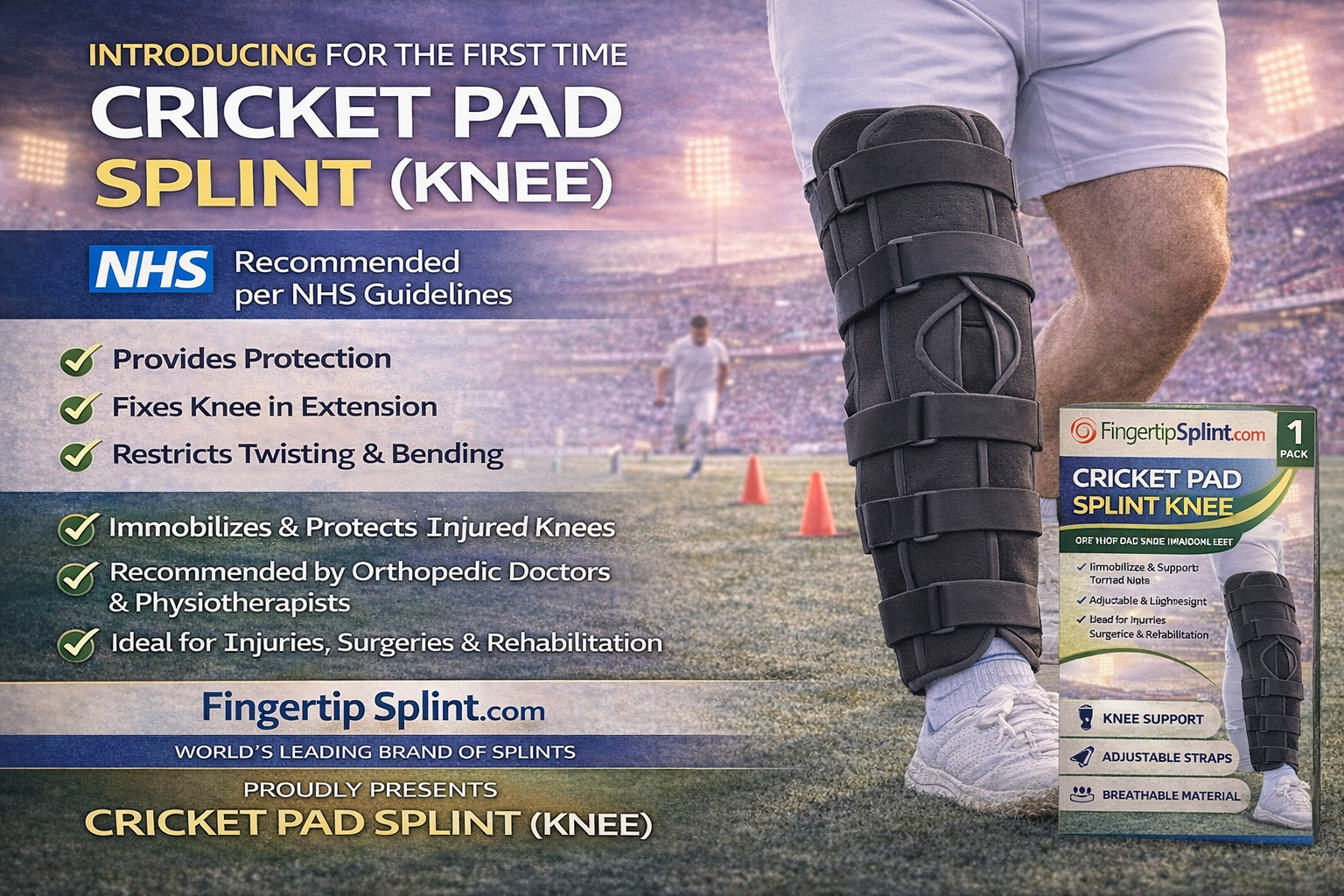
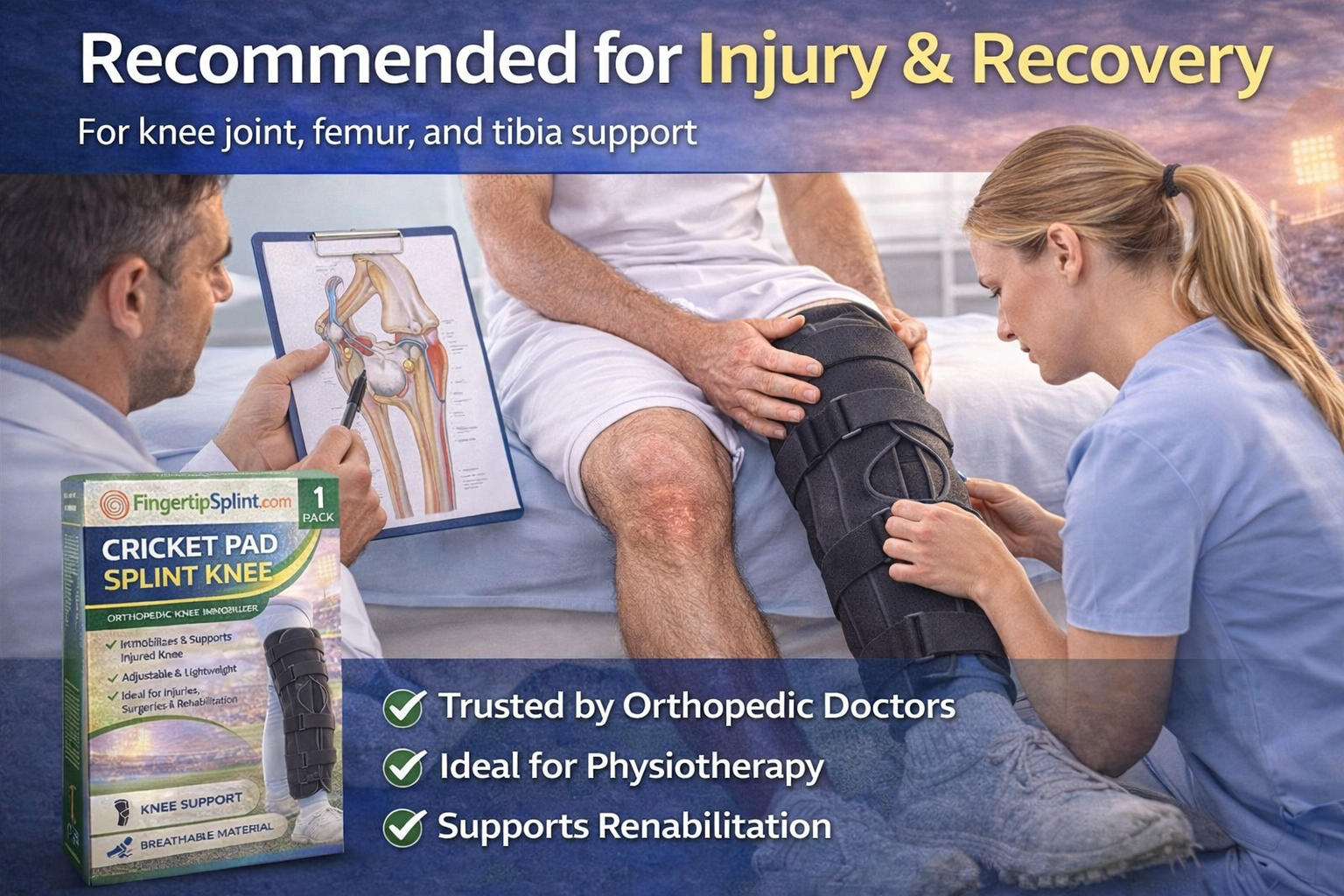
Who Is This Solution For?
Choose the right option based on your requirement.
Why Cricket Players Get Knee Injuries
Understanding common causes helps players protect their knees and choose the right support.
🏏 Fast Bowling Stress
Repeated landing force, bowling action and workload can put extra stress on the knee joint.
⚡ Sudden Movement
Quick turns, diving, stopping and awkward landing can create knee strain during matches.
🏐 Impact Injury
Cricket ball impact or player collision can cause swelling, pain and reduced movement.
Common Signs Of Cricket Knee Injury
🦵 Swelling
Knee swelling after training, matches or impact.
⚠ Pain
Discomfort while running, bowling, batting or walking.
🔒 Weak Stability
Feeling that the knee is unstable or unsafe.
Best Recovery Approach For Cricket Knee Injury
A safer recovery approach combines protection, rest and gradual return to activity.
1️⃣ Reduce Stress
Avoid movements that increase pain and allow the knee to recover.
2️⃣ Add Knee Support
A knee immobilizer or Cricket Pad Splint Knee can help provide stability and reduce unwanted movement.
3️⃣ Return Gradually
Build strength and return to cricket activities carefully.
Why Choose Cricket Pad Splint Knee?
Cricket players need support that balances protection, comfort and usability during recovery.
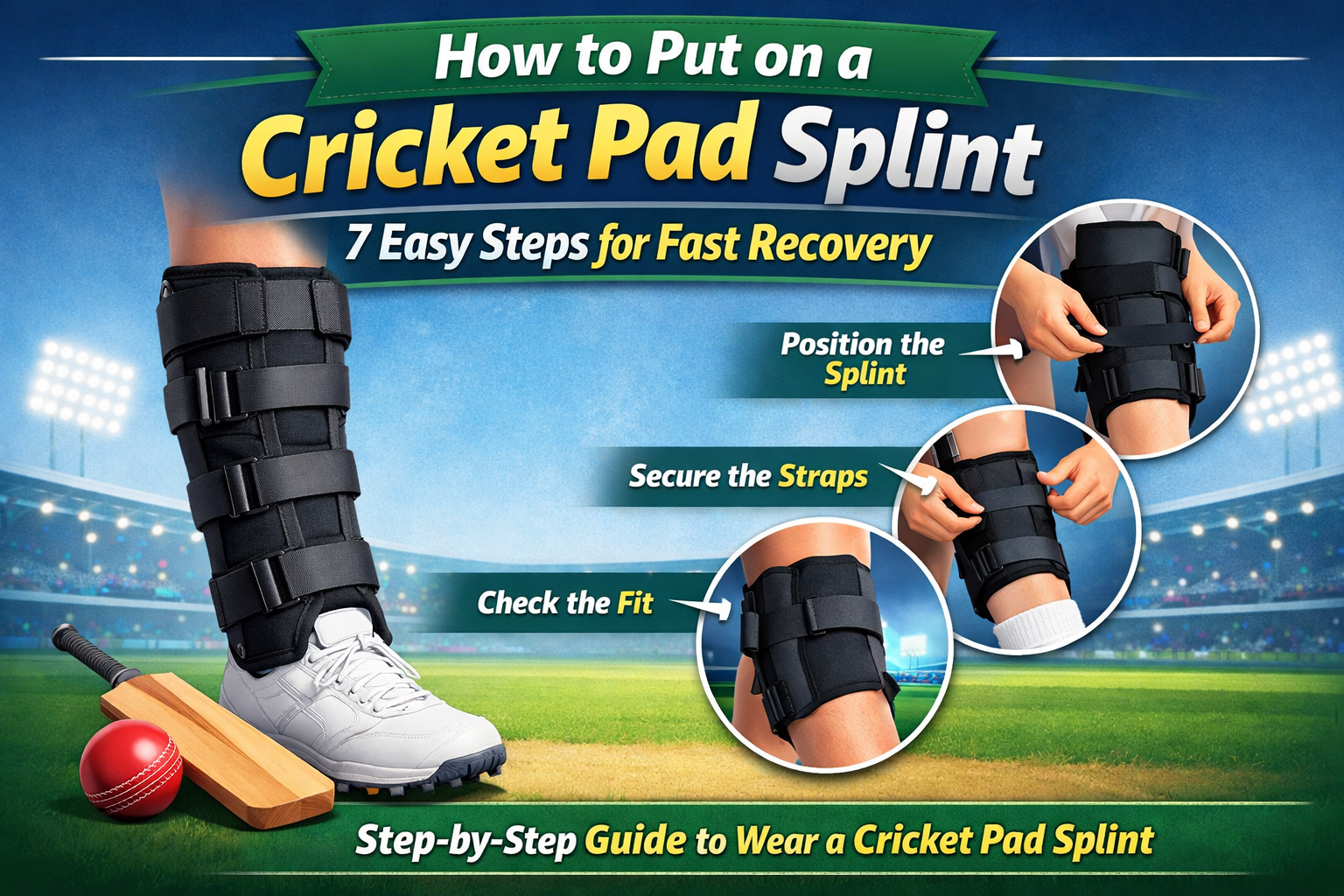
Benefits For Cricket Players
🏃 Safer Movement
Provides additional support when the knee needs protection.
🎯 Recovery Confidence
Helps players feel more secure while returning to activity.
🏟 Training Support
Suitable for players managing knee discomfort during recovery.
Cricket Academies & Team Orders
Managing multiple players? FingertipSplint supports cricket clubs, academies and sports organizations with bulk purchasing options.
Physiotherapists & Sports Healthcare Professionals
Support athletes with reliable knee protection products. Healthcare professionals and clinics can contact us for professional purchasing options.
Cricket Knee Injury Recovery Timeline
Recovery time depends on injury severity, protection, rest and rehabilitation.
⏱ Early Stage
First priority is reducing stress, controlling discomfort and protecting the knee from unnecessary movement.
📅 Recovery Stage
Support, controlled movement and gradual strengthening help improve confidence.
🏏 Return To Cricket
Players should return gradually after improving strength and movement.
Ready To Support Your Knee Recovery?
Choose Cricket Pad Splint Knee for additional support, stability and protection during recovery.
Buy Cricket Pad Splint Knee →
- ✓ Adjustable knee support
- ✓ Designed for cricket injuries
- ✓ Comfortable support design
- ✓ Suitable for athletes
- ✓ Bulk options available
Sports Suppliers & Distributors
Want to supply cricket injury support products in your country? Partner with FingertipSplint for wholesale opportunities.
Become Distribution Partner →
Frequently Asked Questions
Can a Cricket Pad Splint Knee help after injury?
A knee support product can help provide stability and limit unwanted movement. The correct support depends on the injury and professional guidance.
How long does a cricket knee injury take to recover?
Recovery varies depending on whether the injury is mild, moderate or severe. Proper protection and rehabilitation play an important role.
Can I continue playing cricket with knee pain?
Continuing activity while experiencing pain may increase stress on the knee. Players should address symptoms properly before returning to full activity.
Do you provide team or bulk orders?
Yes. Cricket academies, clubs, suppliers and healthcare organizations can request bulk pricing.
Request Team Pricing →