
Finger Cots for Bandage Protection: Complete Guide (2026)
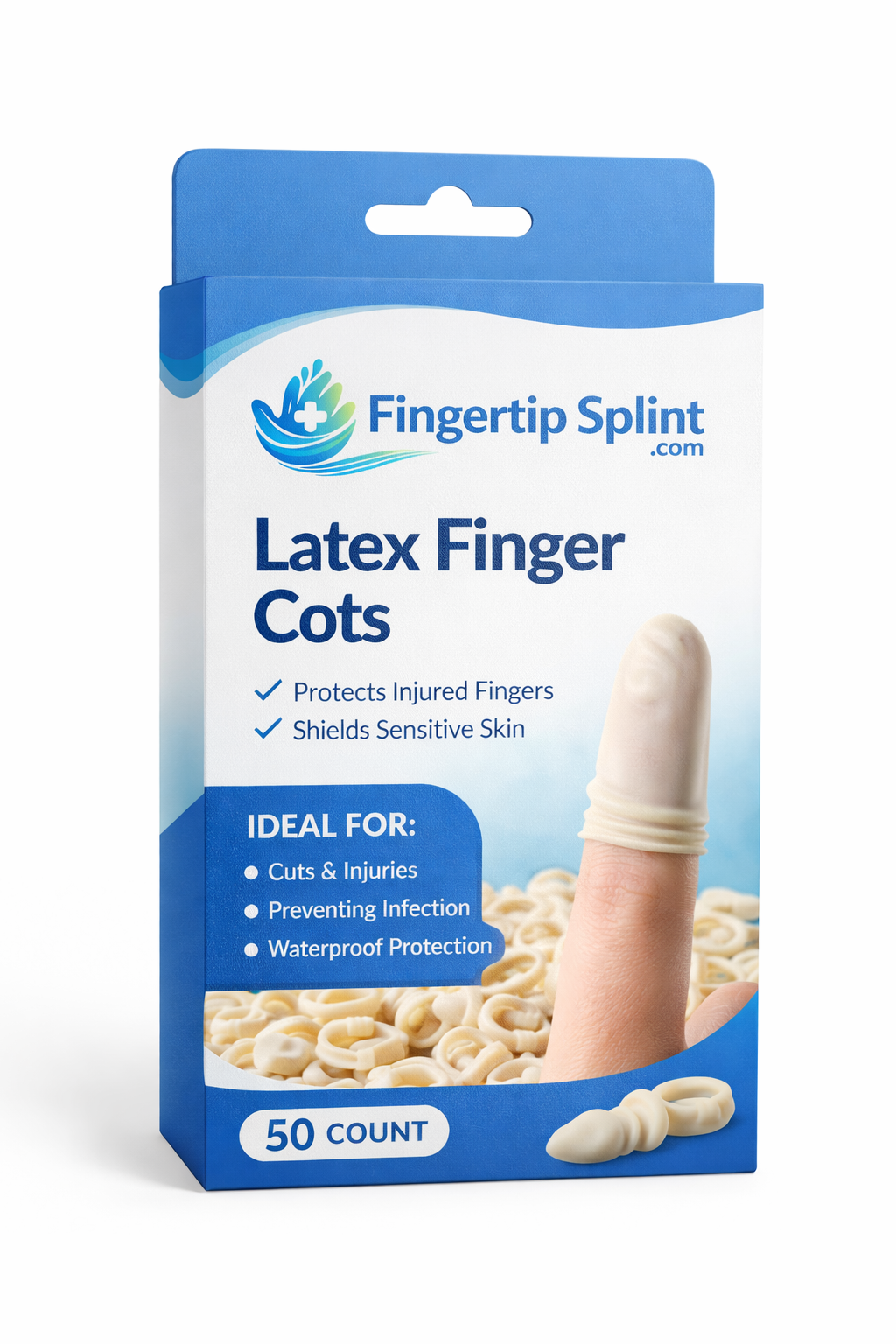
Finger cots for bandage protection are one of the easiest ways to keep wounds clean, dry, and protected during daily activities. If your bandage keeps slipping, getting wet, or exposed to dirt, this simple solution can significantly improve comfort and healing.
For a complete guide on finger protection solutions, explore our main resource to understand all available options.
Quick Answer
Finger cots for bandage protection help cover and secure bandages by shielding them from water, dirt, and friction. They create a protective barrier that improves hygiene, reduces irritation, and helps maintain a stable healing environment for minor injuries.

Why Bandages Alone Are Not Enough
- Bandages can slip off easily
- Water exposure weakens protection
- Dirt and bacteria increase infection risk
- Daily friction slows healing
That’s why many people combine bandages with finger protection solutions for better results.
How Finger Cots for Bandage Protection Work
Finger cots act as a protective outer layer over your bandage. They:
- Seal the bandage from moisture
- Prevent dirt and bacteria exposure
- Reduce friction during movement
- Keep the dressing securely in place
For stronger support in injuries, you can also explore splints for hand and fingers.
With vs Without Finger Cots
| WITHOUT Protection | WITH Finger Cots |
|---|---|
| Bandage slips | Secure coverage |
| Higher infection risk | Cleaner healing |
| Slower recovery | Better healing environment |
| Frequent irritation | Reduced friction |
7 Proven Benefits
- Protects bandages from water
- Improves hygiene
- Prevents reopening wounds
- Reduces irritation
- Supports faster healing
- Allows normal daily use
- Comfortable and easy to use
How to Use Finger Cots Properly
- Clean and dry the wound
- Apply bandage securely
- Slide finger cot over bandage
- Ensure snug but comfortable fit
- Replace regularly
Quick Tips
- Always use clean finger cots
- Change after moisture exposure
- Avoid overly tight fit
- Do not reuse disposable ones
- Combine with proper wound care
Common Mistakes
- Using dirty or reused cots
- Ignoring infection signs
- Using wrong size
- Skipping proper cleaning
Who Should Use Them?
Finger cots are ideal for:
- People with cuts or wounds
- Workers handling water or chemicals
- Athletes with finger injuries
- Patients recovering from minor procedures
Learn more about advanced solutions in our full breakdown of splints.
Doctor Advice
Finger cots are useful, but consult a doctor if:
- Wound is deep
- Infection signs appear
- Healing is delayed
Trusted sources like Mayo Clinic and WebMD recommend proper wound care.
Best Recovery Bundle
- Finger cots
- Finger splints
- Protective sleeves
Explore our shop collection for best options.
Protect Your Bandage & Heal Faster
Don’t let your bandage fail. Use proper protection today.
Shop Finger Cots Now