
A finger fracture may seem minor, but without proper support, it can heal incorrectly and cause long-term stiffness, pain, or even permanent deformity. Many people ignore finger injuries or rely on home remedies, which often leads to slow recovery or improper healing. Orthopedic splints are one of the most effective ways to stabilize the finger, reduce pain, and ensure proper bone alignment. In this guide, you’ll learn exactly how to choose, use, and benefit from the right splint for faster recovery.
Orthopedic splints for finger fractures are designed to immobilize the injured finger, prevent further damage, and support natural bone healing. They are commonly used for broken fingers, ligament injuries, tendon damage, and post-surgical recovery. Choosing the right splint and wearing it correctly can significantly improve healing time and prevent complications.
Orthopedic splints for finger fractures are widely recommended by medical professionals to ensure proper healing and prevent long-term complications.
📊 Understanding Finger Fractures & Splint Support


7
Finger fractures occur when one or more bones in your finger break due to trauma such as sports injuries, falls, or accidents. Without proper immobilization, even a small fracture can worsen over time.
Splints work by:
- Keeping the finger in proper alignment
- Preventing movement that may delay healing
- Reducing swelling and pain
- Supporting tissue and bone recovery
Types of Orthopedic Splints for Finger Fractures
Choosing the right splint depends on your injury type. Here are the most commonly used options:
🔹 Aluminum Splint
- Best for stable fractures
- Provides firm support
- Adjustable and widely used
🔹 Stack Splint
- Ideal for mallet finger injuries
- Keeps fingertip straight
- Lightweight and comfortable
🔹 Buddy Taping
- Used for minor fractures
- Tapes injured finger to adjacent finger
- Allows limited natural movement
🔹 Custom Molded Splint
- Designed specifically for your finger
- Best for severe or complex fractures
- Offers maximum comfort and precision
Comparison Table
| Splint Type | Best For | Comfort Level | Doctor Recommended |
|---|---|---|---|
| Aluminum Splint | Stable fractures | Medium | Yes |
| Stack Splint | Mallet finger | High | Yes |
| Buddy Taping | Minor fractures | High | Sometimes |
| Custom Splint | Severe/complex injuries | Very High | Yes |
👉 You can explore high-quality options on your store:
https://fingertipsplint.com/shop-2/
Signs You May Have a Finger Fracture
Not all finger injuries are obvious. Look for these common symptoms:
- Swelling around the joint
- Bruising or discoloration
- Sharp pain when moving the finger
- Crooked or bent finger appearance
- Difficulty gripping objects
If you notice these signs, it’s important to immobilize the finger immediately and seek medical advice.
For more medical reference, you can check resources from the Mayo Clinic.
🟢 Why Using an Orthopedic Splint is Important


6
Using a splint is not optional—it’s critical for proper healing.
✅ With Splint
- Faster healing
- Proper alignment
- Reduced pain
- Full recovery chances
❌ Without Splint
- Delayed healing
- Risk of deformity
- Chronic pain
- Limited finger movement
👉 Even minor fractures can become serious if untreated.
🟢 How to Choose the Right Finger Splint
Selecting the correct splint can make a huge difference in recovery.Choosing the right orthopedic splints for finger fractures can significantly improve recovery speed and comfort.
✔️ Consider These Factors:
- Type of injury → fracture, ligament, or tendon
- Finger affected → thumb, index, pinky
- Comfort level → long-term wear matters
- Material → breathable, lightweight, durable
✔️ Quick Checklist:
- Does it keep finger straight?
- Is it comfortable for daily use?
- Is it recommended for your injury type?
👉 Browse options here: https://fingertipsplint.com/
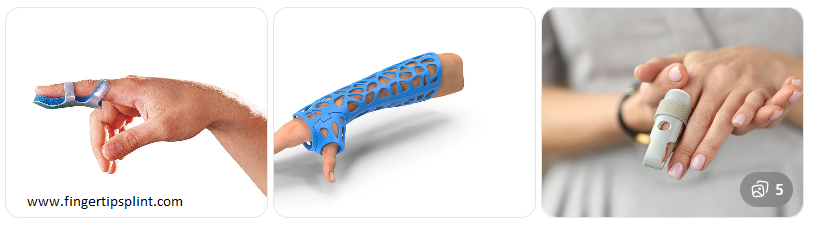
🟢 How to Wear a Finger Splint Properly
Proper usage is just as important as choosing the right splint.
🔹 Step-by-Step Guide:
- Clean and dry your finger
- Gently align the finger in a natural position
- Place the splint securely
- Fasten straps (not too tight)
- Avoid unnecessary movement
⚠️ Important Tips:
- Do not remove frequently
- Keep it dry
- Follow doctor’s instructions
🟢 How Long Does a Finger Fracture Take to Heal?
Healing time depends on the severity of the fracture.
📊 Healing Timeline
| Injury Type | Healing Time |
|---|---|
| Minor fracture | 2–3 weeks |
| Moderate | 4–6 weeks |
| Severe | 6–8 weeks |
👉 Wearing a splint consistently can reduce recovery time significantly.
🟢 Common Mistakes to Avoid
Many people delay healing due to simple mistakes:
- ❌ Removing the splint too early
- ❌ Wearing it too loosely or too tight
- ❌ Ignoring pain or swelling
- ❌ Skipping medical consultation
Avoiding these mistakes ensures proper recovery.
The American Academy of Orthopaedic Surgeons recommends splints for stabilizing finger injuries.🟢 Can You Heal a Finger Fracture at Home?
This is one of the most searched questions.
👉 Short answer: Sometimes, but with caution.
- Minor fractures may heal with proper splinting
- Severe fractures require medical treatment
- Always confirm with a healthcare professional
External reference: American Academy of Orthopaedic Surgeons
According to Mayo Clinic, finger fractures require proper immobilization for effective healing.Frequently Asked Questions
Find quick answers about finger fracture splints, healing, and proper support.
Final Thoughts: Choose the Right Splint for Faster Recovery
Finger fractures can impact your daily life more than you expect. From simple tasks like typing to gripping objects, proper healing is essential. Orthopedic splints play a critical role in ensuring your finger heals correctly, quickly, and without complications.
Stabilizes the Injury
A high-quality orthopedic splint keeps the fractured finger in the correct position, helping reduce movement and protecting the healing bone from further stress.
Speeds Up Recovery
The right splint supports faster recovery by keeping the finger stable throughout daily activity, rest, and the most important stages of healing.
Protects Daily Function
Finger injuries affect everyday actions like typing, lifting, gripping, and handling small objects. A proper splint helps preserve hand function during recovery.
Prevents Long-Term Damage
Without proper support, the finger may heal incorrectly. A well-fitted splint lowers the risk of stiffness, deformity, and ongoing pain after recovery.
Support Healing with the Right Finger Splint
Explore high-quality finger splints designed for comfort, protection, and effective support. Find the right option for recovery and read more expert guidance on proper finger care.
Investing in high-quality orthopedic splints for finger fractures ensures better alignment and faster healing.