
Silicon Finger Protector for Cuts and Wounds: Complete Guide for Fast Healing
Let’s be honest… finger cuts seem small—until they start hurting every time you touch something.
Whether you're cooking, working, or typing, even a minor wound can turn into constant irritation. And if it’s not protected properly? It can reopen, get infected, or take forever to heal.
That’s where a silicon finger protector becomes a game-changer.
If you're looking for a simple, effective way to protect your injured finger, this guide will walk you through everything you need to know—and help you make the right choice.
👉 You can explore high-quality options on our silicon finger protector collection
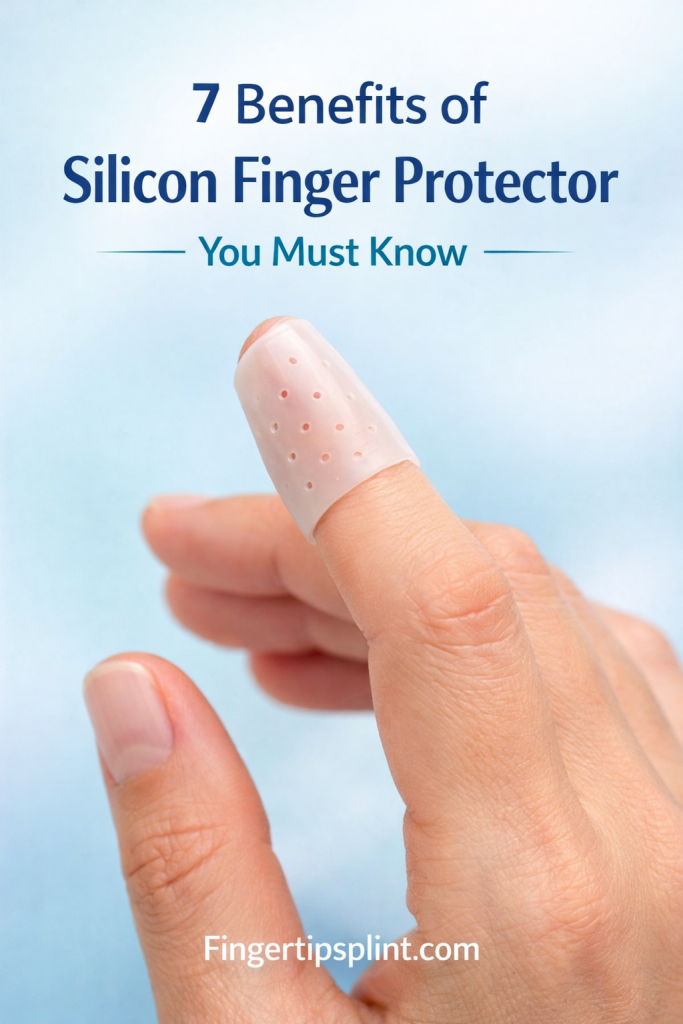
What Is a Silicon Finger Protector?
A silicon finger protector is a soft, flexible sleeve made from medical-grade silicone. It fits snugly over your finger to protect cuts, wounds, or sensitive skin.
Think of it like a shield—but comfortable enough to wear all day.
Quick Answer (Featured Snippet):
A silicon finger protector is a soft, flexible covering used to protect finger cuts and wounds from friction, water, and bacteria while promoting faster healing and reducing pain.
Who Needs a Silicon Finger Protector?
A silicon finger protector can be a simple but effective solution for people who need daily finger protection, comfort, and support while healing.
You Might Need One If You Are:
- Dealing with cuts, blisters, or open wounds
- Working with your hands in the kitchen, on-site, or at the office
- Experiencing sensitive, dry, or cracked skin
- Recovering from minor finger injuries
- Looking for hygienic daily protection
It’s Especially Useful For:
- Chefs and kitchen workers
- Construction workers and manual laborers
- Athletes and active individuals
- Elderly individuals with delicate skin
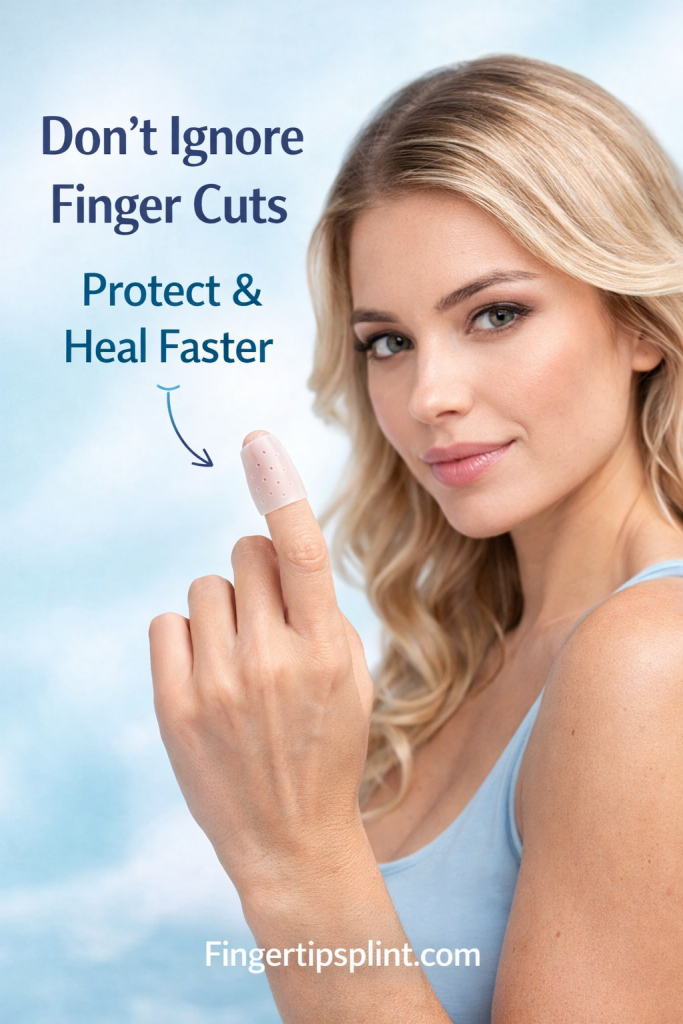
7 Proven Benefits of Using a Silicon Finger Protector
1. Protects Wounds from Dirt & Bacteria
Your hands touch everything. A protector acts as a barrier against infection.
(For medical safety reference, you can check guidance from Mayo Clinic: https://www.mayoclinic.org/first-aid/first-aid-cuts/basics/art-20056711)
2. Reduces Pain Instantly
Here’s the thing… most pain comes from friction.
Silicone reduces contact pressure, giving immediate relief.
3. Speeds Up Healing
A protected wound heals faster. Less irritation = better recovery.
4. Waterproof Protection
Unlike bandages, silicon protectors don’t fall off easily.
You can:
- Wash hands
- Cook
- Clean
Without worrying.
5. Reusable & Cost-Effective
Instead of changing bandages daily, you can reuse it.
6. Comfortable for Daily Use
Soft, flexible, and skin-friendly—no irritation.
7. Prevents Re-Injury
Let’s be real… most wounds reopen because they’re exposed.
This solves that problem.
7 Benefits of Silicon Finger Protector
- ✔ Protects wounds
- ✔ Reduces pain
- ✔ Speeds healing
- ✔ Waterproof use
- ✔ Reusable
- ✔ Comfortable fit
- ✔ Prevents re-injury
Silicon Finger Protector vs Finger Splint (Which Is Better?)
Let’s clear this up.
Silicon Finger Protector
✔ Best for cuts, wounds, sensitivity
✔ Flexible and comfortable
✔ Allows movement
Finger Splint
✔ Best for fractures or tendon injuries
✔ Restricts movement
✔ Provides structural support
👉 If you’re dealing with more serious injuries, check out this finger splint for injury guide
Quick Comparison:
| Feature | Protector | Splint |
|---|---|---|
| Flexibility | High | Low |
| Protection | Moderate | High |
| Movement | Allowed | Restricted |
How to Use a Silicon Finger Protector Properly
Follow these steps:
- Clean the wound gently
- Dry your finger completely
- Slide the protector over the finger
- Ensure a snug fit (not too tight)
- Remove and clean daily
Common Mistakes to Avoid
Here’s where most people go wrong when using a silicon finger protector for cuts, wounds, and daily finger protection.
Real-Life Scenarios (When You Actually Need It)
- Cooking accident (knife cut)
- Paper cuts (yes, they hurt!)
- Gym blisters
- Cracked skin in winter
- Office typing irritation
👉 For stronger protection, you can also explore finger cots for added hygiene.
How to Choose the Best Silicon Finger Protector
Look for:
- Medical-grade silicone
- Breathable design
- Proper size options
- Durable and reusable material
👉 Check premium options here: finger protector products
Expert Tips for Faster Healing
Here’s something most blogs won’t tell you…
- Keep the wound slightly moist (not dry)
- Avoid constant removal
- Use protection during work
- Switch to splint if injury worsens
If your finger pain is interfering with daily life, a simple solution like this can make a noticeable difference—without discomfort.
With vs Without Protection
Without Protector:
- Constant pain
- Risk of infection
- Slow healing
With Protector:
- Less pain
- Faster recovery
- Safe daily activity
Big difference, right?

Final Thoughts
You don’t need to suffer through every small cut or wound.
Sometimes, the simplest solution makes the biggest impact.
👉 If you want faster healing, less pain, and better protection, explore trusted options here:
Shop silicon finger protectors