
Buy Pinky Finger Splint (2026): Fix Broken & Sprained Pinky Fast
Buy pinky finger splint support if your little finger hurts, bends painfully, feels swollen, looks bruised, or needs protection after a sprain, fracture, arthritis flare-up, or sports injury. The right pinky finger splint can help support the finger before the pain becomes a bigger problem.
Quick Answer: Where to Buy Pinky Finger Splint Support?
If you need daily support for pain, bending discomfort, mild sprain, or general little finger protection, choose the Best Pinky Finger Splint. This is the best choice when you want to buy pinky finger splint support for everyday comfort, stability, and protection.
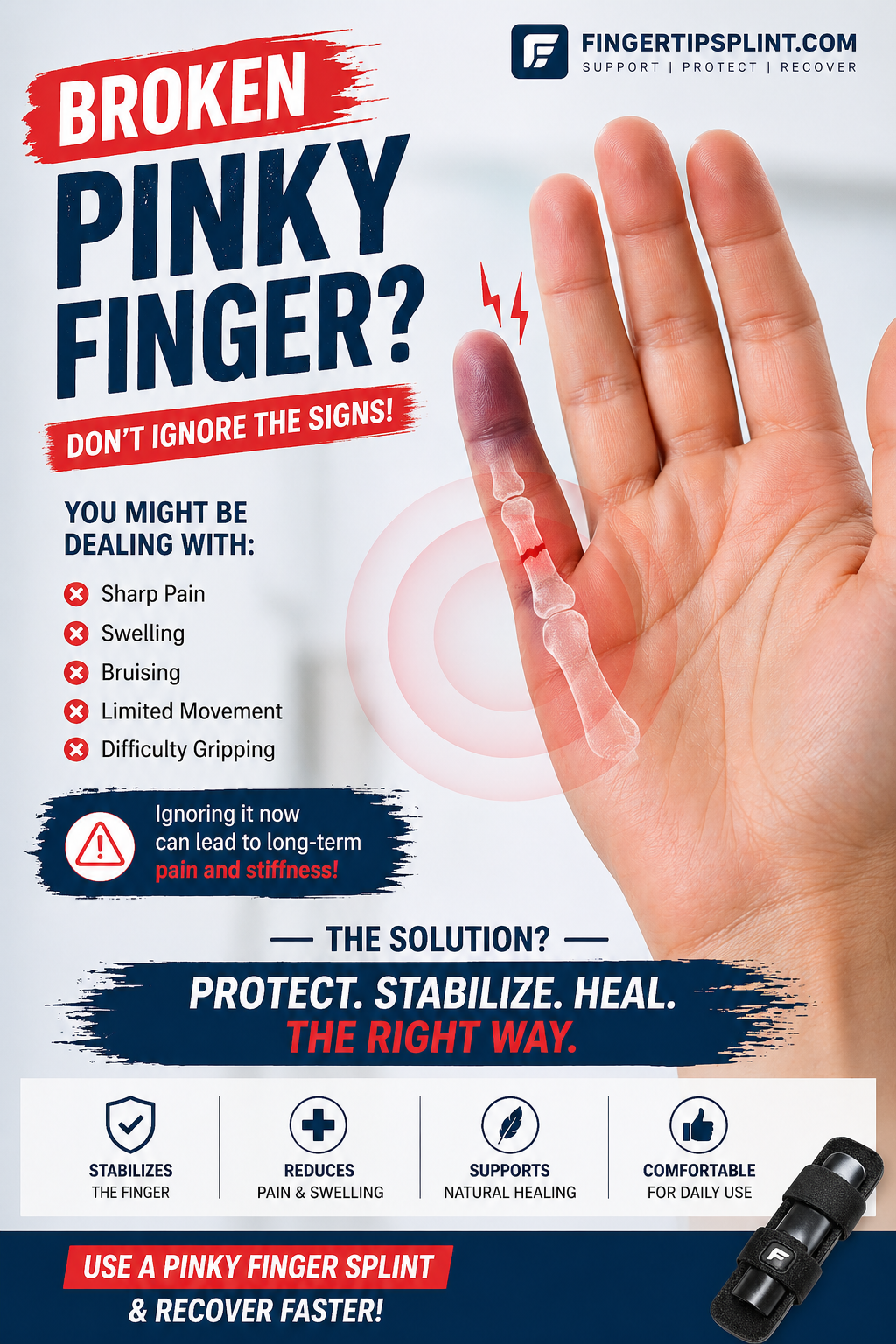
If your pinky injury feels more serious, swollen, painful after impact, or related to a suspected broken or fractured pinky finger, choose the Pinky Finger Splint for Broken & Fractured Fingers. This is the stronger support option for buyers who need more injury-focused protection.
Why People Buy Pinky Finger Splint Products for Pain
Most people treat pinky finger pain like a small problem because the finger itself is small. But the little finger plays a major role in grip, balance, and hand control. When your pinky hurts, you notice it while typing, driving, lifting groceries, opening doors, holding your phone, working out, sleeping, or playing sports.
A painful pinky can come from many causes: a sprain, jammed finger, fracture, arthritis stiffness, tendon strain, ligament irritation, or repeated bending during work. The problem is that the finger is constantly moving. Even when you try to rest it, you still use your hand all day. That repeated movement can keep irritating the injury.
This is where a pinky finger splint becomes useful. It gives your little finger a stable support position, reduces unnecessary bending, and helps protect the injured area from accidental bumps. For related guidance, read our finger splint for pinky finger guide and the pinky finger splint recovery guide.
For medical safety, trusted resources like Mayo Clinic fracture first aid, WebMD splint guidance, and Healthline finger splint overview explain why proper protection and medical evaluation matter for painful finger injuries.
Who Should Buy Pinky Finger Splint Support?
Broken Pinky Finger
If your finger is painful after impact, swollen, bruised, or difficult to move, you may need stronger support. For fracture-style protection, choose the broken and fractured pinky splint.
Sprained Pinky Finger
If the finger hurts when bending or feels unstable after twisting, a splint helps limit painful motion and protect the joint during daily use. Read the sprained pinky finger guide for deeper recovery tips.
Arthritis Pinky Pain
If your little finger feels stiff, weak, or painful during gripping, a soft supportive pinky splint may help reduce stress during daily tasks.
For everyday pain, mild support, or general protection, the Best Pinky Finger Splint is the better first choice. For stronger injury support after impact or suspected fracture, the Pinky Finger Splint for Broken & Fractured Fingers is the better product to feature.
Buy Pinky Finger Splint by Injury Type
| Condition | Common Signs | Best Support Direction | Recommended Product |
|---|---|---|---|
| Broken or fractured pinky finger | Sharp pain, swelling, bruising, pain after impact, possible deformity | Stronger stabilization and professional evaluation | Pinky Finger Splint for Broken & Fractured Fingers |
| Sprained pinky finger | Pain when bending, tenderness, swelling, weakness | Lightweight support to reduce painful motion | Best Pinky Finger Splint |
| Arthritis little finger pain | Stiffness, aching, grip discomfort, morning pain | Comfortable daily support during activity | Best Pinky Finger Splint |
| Sports pinky injury | Jammed finger, swelling, pain after ball impact | Protection from bending and accidental knocks | Broken & Fractured Pinky Splint |
For more comparisons, read the best splint for broken pinky finger guide, the broken pinky finger cast guide, and the small finger splint guide.
Best Product Recommendation: Buy Pinky Finger Splint That Fits Your Pain
1. Buy Pinky Finger Splint for Daily Pain, Sprains, and Arthritis Support
The Best Pinky Finger Splint is the right product for people who want comfortable daily support. It is ideal for mild pinky pain, sprained pinky finger support, stiffness, arthritis discomfort, bending pain, and general little finger protection.
This product is best for buyers who need a practical splint they can wear during normal life. If your pinky hurts during typing, gripping, working, cleaning, cooking, or sleeping, this is the everyday support option to recommend.
2. Buy Pinky Finger Splint for Broken & Fractured Fingers
The Pinky Finger Splint for Broken & Fractured Fingers is the better choice when pain feels more serious. If your pinky became painful after a fall, sports impact, bending injury, or direct hit, stronger support may be needed while you seek proper evaluation and protect the finger.
This product is best for buyers searching for broken pinky finger splint, fractured pinky support, small finger fracture brace, or pinky injury protection after trauma.
Why a Pinky Finger Splint Can Help Recovery Feel Safer
A splint works by reducing unnecessary motion. When your finger hurts, every accidental bend can restart the pain. A pinky splint creates a protective reminder and helps hold the little finger in a safer position during daily use.
This matters because people rarely rest their hands fully. You may promise yourself you will avoid using the injured finger, but then you pick up a phone, pull a blanket, carry a bag, open a car door, or type a message. The pinky gets involved without you thinking. A splint protects against that automatic movement.
For arthritis pain, support can also help reduce stress during tasks that require gripping. For a sprain, it can protect irritated ligaments from extra stretching. For a fracture concern, it can reduce motion while you arrange medical care or follow professional guidance. You can also visit the main pinky finger splint pillar page for broader product education.
How to Choose Before You Buy Pinky Finger Splint
1. Choose based on injury type
If your pain is mild, stiff, or related to daily movement, choose the Best Pinky Finger Splint. If the injury happened after impact or may be broken, choose the Pinky Finger Splint for Broken & Fractured Fingers.
2. Choose comfort over bulk
A bulky splint may look strong, but if it feels uncomfortable, people stop wearing it. The best splint should feel secure, lightweight, and easy enough to wear consistently.
3. Choose adjustability
The pinky is smaller than other fingers. Adjustable support helps create a better fit and reduces slipping or pressure.
4. Choose protection for your daily routine
Office workers, athletes, manual workers, students, parents, and older adults all need different levels of protection. The right product should match your routine, not just the injury name.
How to Wear a Pinky Finger Splint Correctly
- Check the finger first: If it is crooked, numb, blue, severely swollen, or extremely painful, get medical help.
- Place the finger gently: Do not force it straight if straightening creates sharp pain.
- Secure the splint: It should feel snug, not tight.
- Check circulation: Your fingertip should not turn cold, blue, numb, or tingly.
- Use during risk moments: Wear it when working, sleeping, walking, typing, or doing tasks where the finger may bend.
Common Mistakes After You Buy Pinky Finger Splint
Mistake 1: Waiting too long
Many people wait until the pinky becomes more swollen or painful. Early protection is usually easier than trying to calm down a finger that has been repeatedly irritated.
Mistake 2: Testing the finger again and again
People bend the finger repeatedly to “see if it still hurts.” That can keep the injury irritated. If bending hurts, protect it instead of testing it.
Mistake 3: Buying the wrong product
A mild arthritis support need is different from a possible fracture. That is why this guide recommends two separate products: Best Pinky Finger Splint for daily support and Broken & Fractured Pinky Splint for stronger injury support.
Mistake 4: Ignoring red flags
Severe swelling, deformity, numbness, open wounds, or strong pain after trauma should be checked by a medical professional. A splint can protect, but it cannot diagnose a fracture.
Buy Pinky Finger Splint Today for Safer Support
Do not let a painful little finger disturb your work, sleep, grip, sports, or confidence. Choose the product that matches your injury level.
FAQ: Buy Pinky Finger Splint Questions
Final Recommendation: Buy Pinky Finger Splint Based on Your Injury
If your goal is daily comfort, mild pain support, sprained pinky protection, or arthritis-related little finger support, buy the Best Pinky Finger Splint.
If your pinky injury feels more serious, swollen, painful after impact, or related to a suspected broken or fractured pinky, buy the Pinky Finger Splint for Broken & Fractured Fingers.