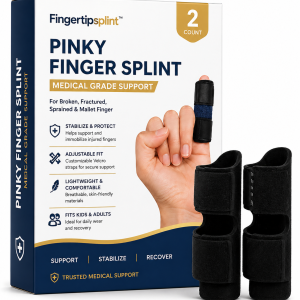



Finger Splint for Pinky Finger: 9 Powerful Recovery Benefits for 2026
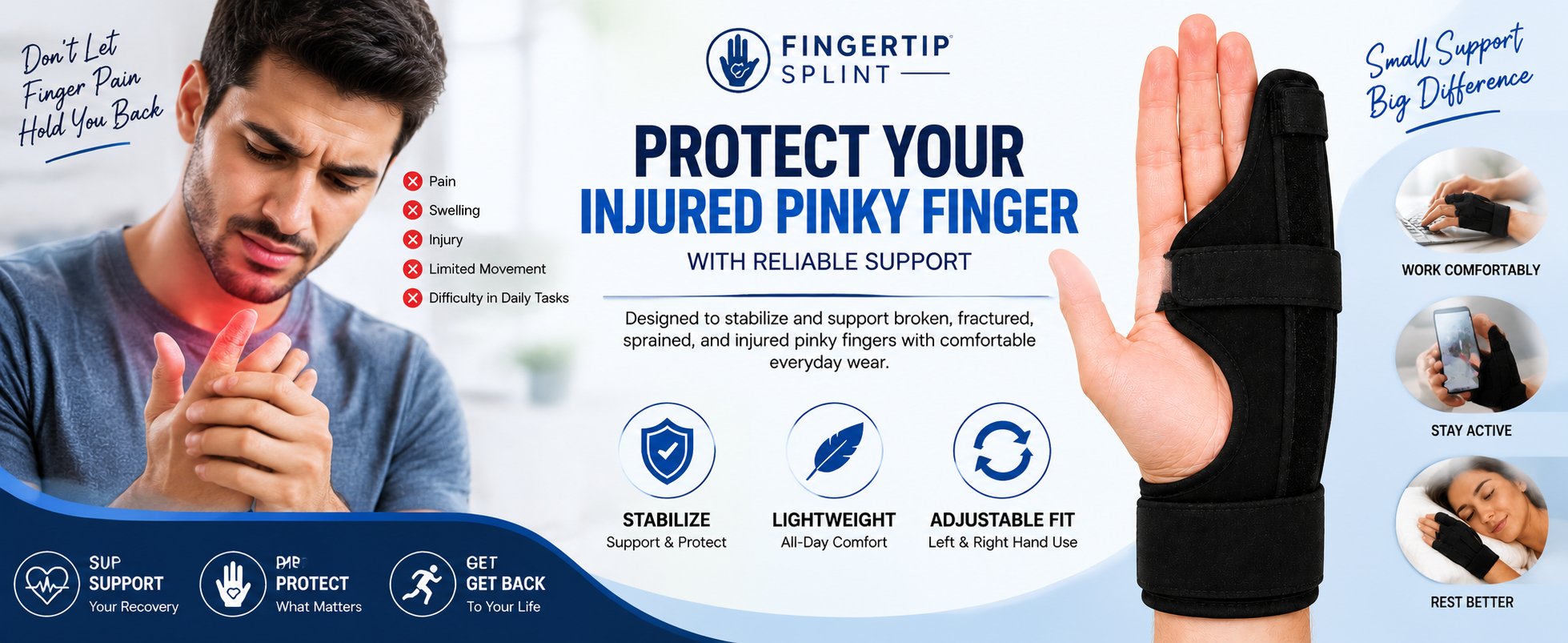
Finger splint for pinky finger is one of the smartest ways to protect a painful, swollen, sprained, or injured small finger before the damage becomes worse.
If your pinky finger hurts, bends awkwardly, feels weak, or becomes painful during daily work, the right pinky splint can help stabilize the finger, reduce movement, and support safer healing.
If you’re unsure which option is right, read this complete pinky finger splint guide or explore this detailed finger splint breakdown before choosing.
Quick Answer
A finger splint for pinky finger supports and stabilizes the small finger after pain, sprain, fracture, tendon strain, or minor injury. It helps limit harmful movement, protects the finger during daily activity, and may support faster recovery when used correctly.
Table of Contents
What Is a Finger Splint for Pinky Finger? Who Needs a Pinky Finger Splint? Common Pinky Finger Injuries Benefits of Using a Pinky Splint With vs Without Product How to Wear It Correctly Common Mistakes Doctor Advice Best Recovery Bundle FAQsBest Pinky Finger Splint to Buy (2026 Guide)
Choosing the right splint depends on your injury type. Some need lightweight daily support, while others require stronger stabilization.
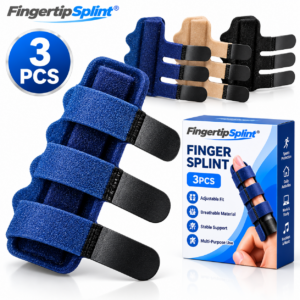
1. Best Pinky Finger Splint (Daily Pain, Sprain & Comfort Use)
If your pinky finger feels painful, weak, or strained during daily tasks, the Best Pinky Finger Splint is ideal.
- ✔ Lightweight & breathable
- ✔ Perfect for sprained pinky finger
- ✔ Comfortable for all-day use
- ✔ Supports typing, work & sleep
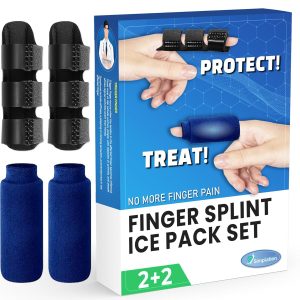
2. Pinky Finger Splint for Broken & Fractured Fingers
If your injury involves swelling, impact, or fracture risk, use a stronger support like the Pinky Finger Splint for Broken & Fractured Fingers.
- ✔ Strong stabilization support
- ✔ Reduces harmful bending
- ✔ Ideal for broken pinky finger
- ✔ Better protection than basic splints
Explore More Before You Buy
What Is a Finger Splint for Pinky Finger?
A finger splint for pinky finger is a support device designed to hold the small finger in a safer and more stable position. The pinky finger may look small, but it plays a big role in grip strength, hand balance, typing, lifting, sports movement, and daily work.
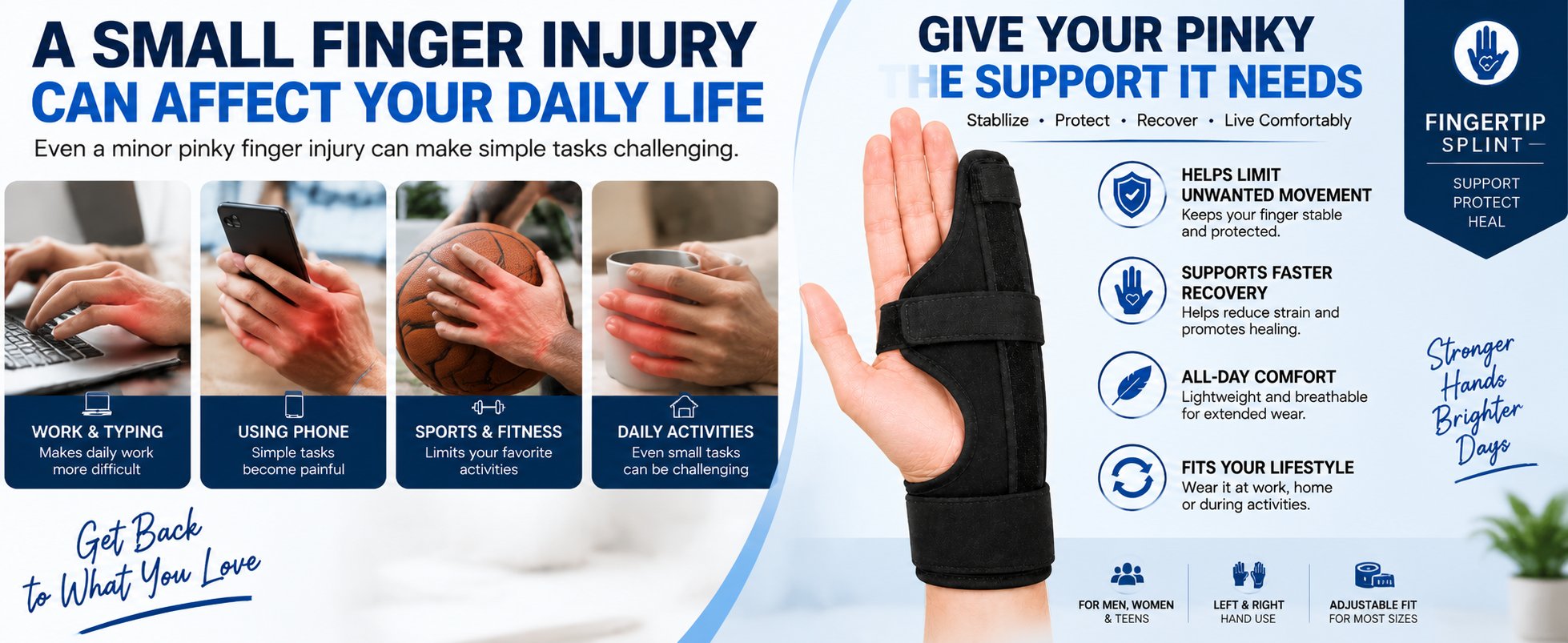
When the pinky is injured, even simple tasks can become difficult. Opening a door, holding a phone, typing, carrying bags, gripping tools, or exercising can suddenly feel painful. That is why early support matters.
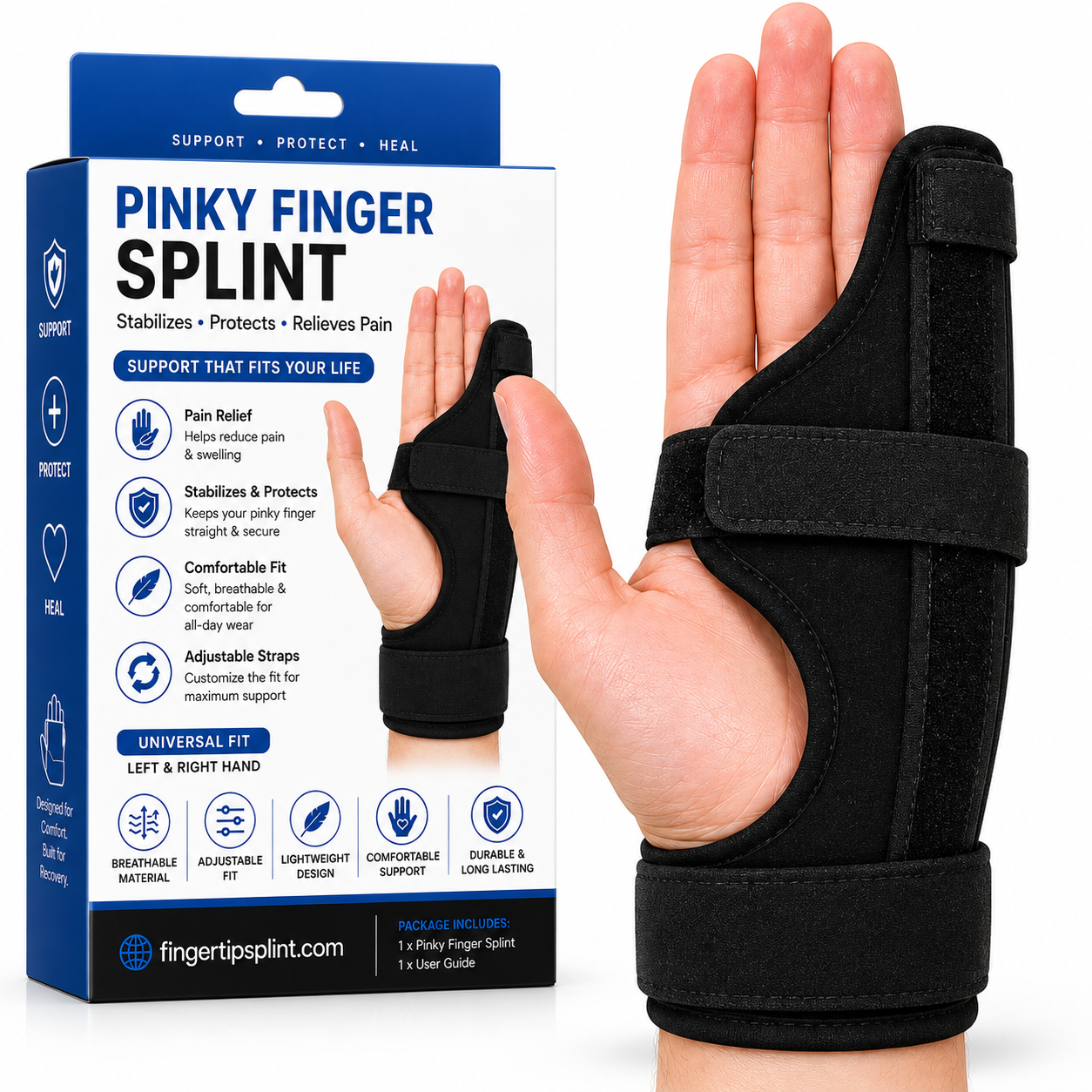
A good pinky splint helps reduce unnecessary bending and twisting. It protects the injured area while your body repairs tissue, ligaments, tendons, or bone. For shoppers who want a ready support option, this pinky finger splint product is a strong recovery-focused choice.
Many people search for a broken pinky finger splint, broken pinky finger cast, pinky splint, small finger splint, or splint on pinky finger because they want one simple answer: how do I protect this finger and heal faster? This guide answers that clearly.
Who Needs a Finger Splint for Pinky Finger?
You may need a finger splint for pinky finger if your small finger is painful, swollen, stiff, weak, bent, or difficult to move. It is especially useful for people who use their hands heavily every day.
Workers
Typists, warehouse workers, mechanics, delivery workers, nurses, chefs, and office workers often need protection because daily hand use can keep irritating the injury.
Athletes
Basketball, cricket, baseball, volleyball, football, and gym activities can easily jam or twist the pinky finger. Athletes often need support to prevent repeat injury.
Patients Recovering at Home
If your doctor advised protection, a pinky splint can help you maintain stability while doing light daily tasks.
People With Finger Pain
If you feel pain while gripping, typing, sleeping, or bending the finger, support may help reduce strain and discomfort.
If your injury affects more than one finger, you may also explore this broader splint for hand and fingers guide for different hand support options.
Common Injuries That May Need a Pinky Splint
1. Broken Pinky Finger
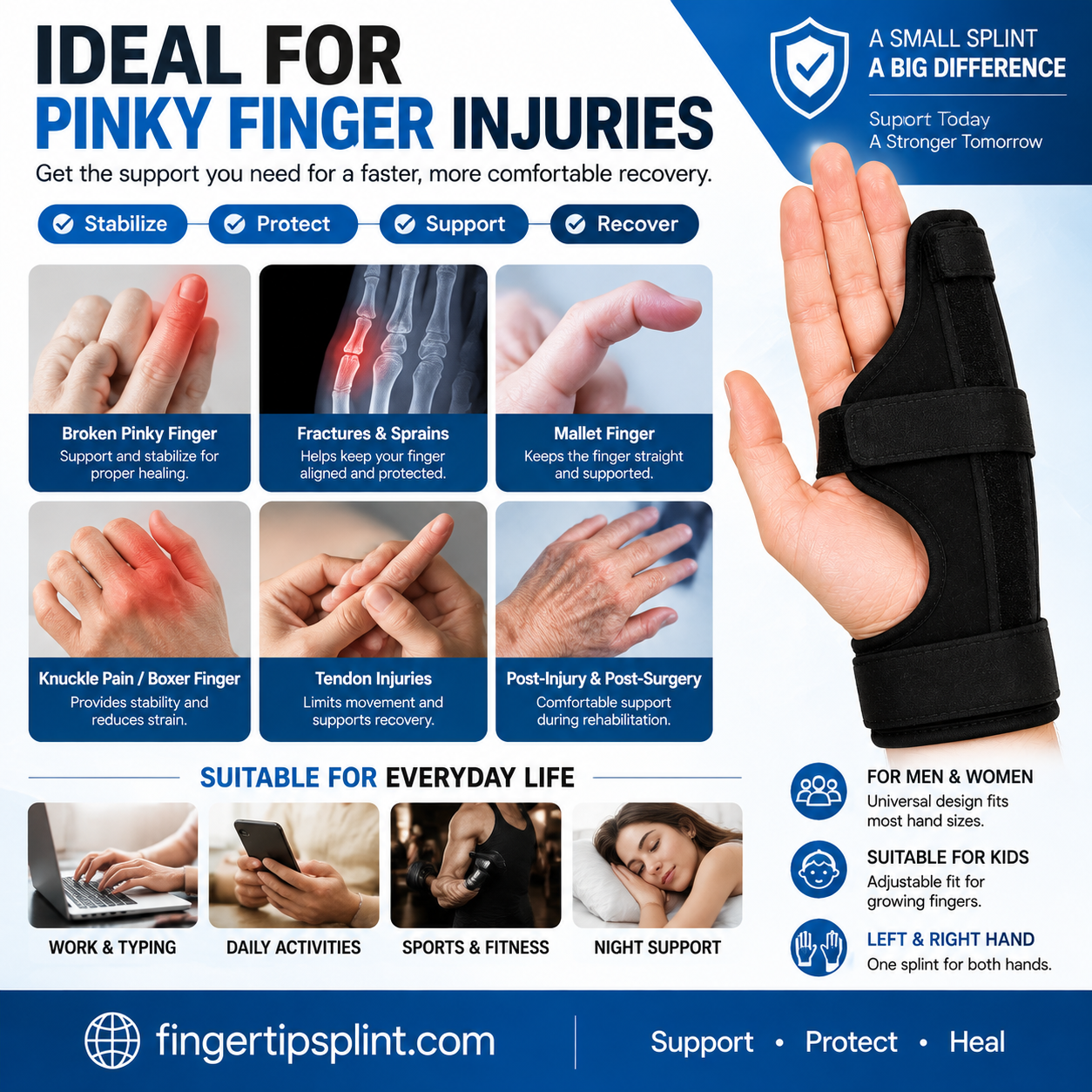
A broken pinky finger may happen after a fall, sports impact, door crush injury, or direct hit. Pain, swelling, bruising, and difficulty moving the finger are common signs. Many users search for a broken pinky finger splint because they want a practical support option instead of leaving the finger unprotected.
2. Sprained Pinky Finger
A sprain happens when ligaments stretch or tear. This may cause pain around the joint, swelling, tenderness, and weakness. A pinky splint can reduce movement and protect the ligament while it calms down.
3. Jammed Pinky Finger
Jammed fingers are common in sports. The finger absorbs impact and gets forced backward, sideways, or downward. If your finger injury happened during sports, this baseball finger splint page may also help.
4. Tendon Strain
Tendons control finger movement. If the pinky cannot straighten properly or feels weak, tendon strain may be involved. For fingertip tendon-style injuries, see this mallet finger splint guide.
5. Minor Dislocation Support
If the finger joint shifts out of position, medical care is important. After the joint is corrected, support may be needed to prevent painful movement during recovery.
Product Solution: Best Protection Option for Daily Recovery
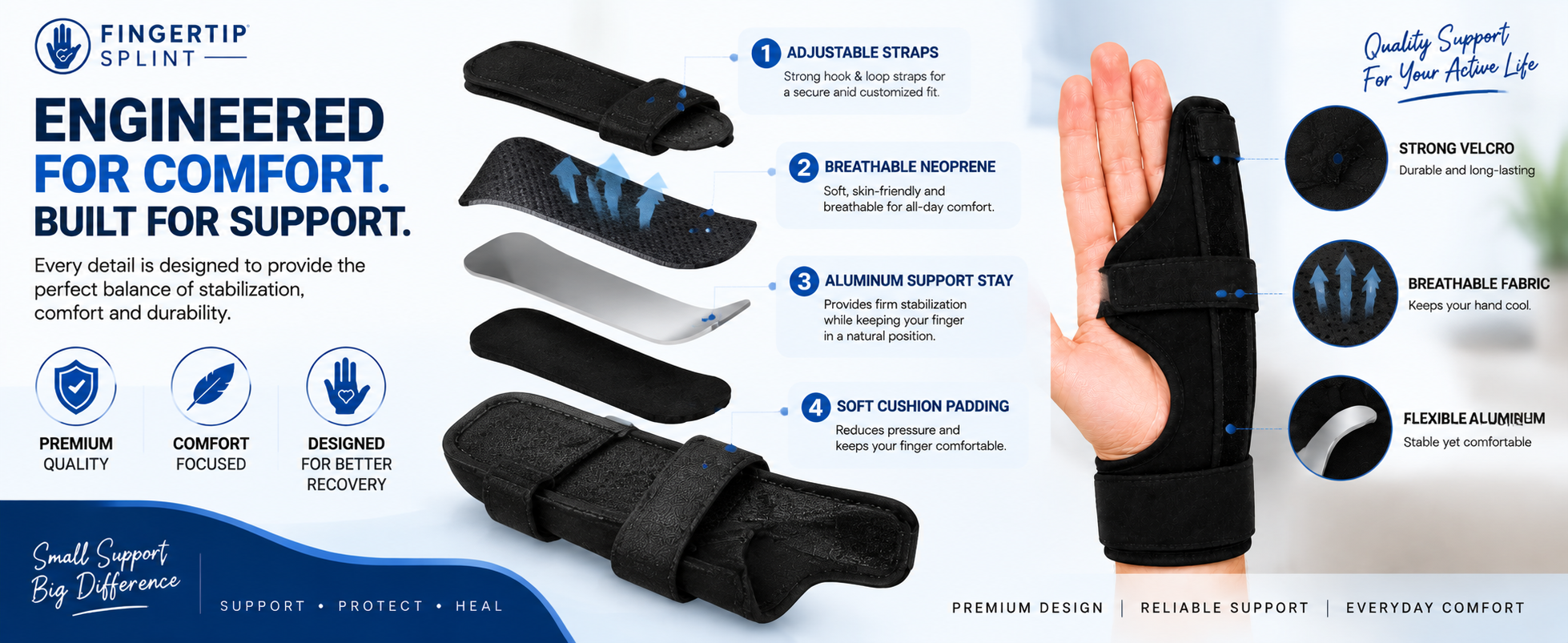
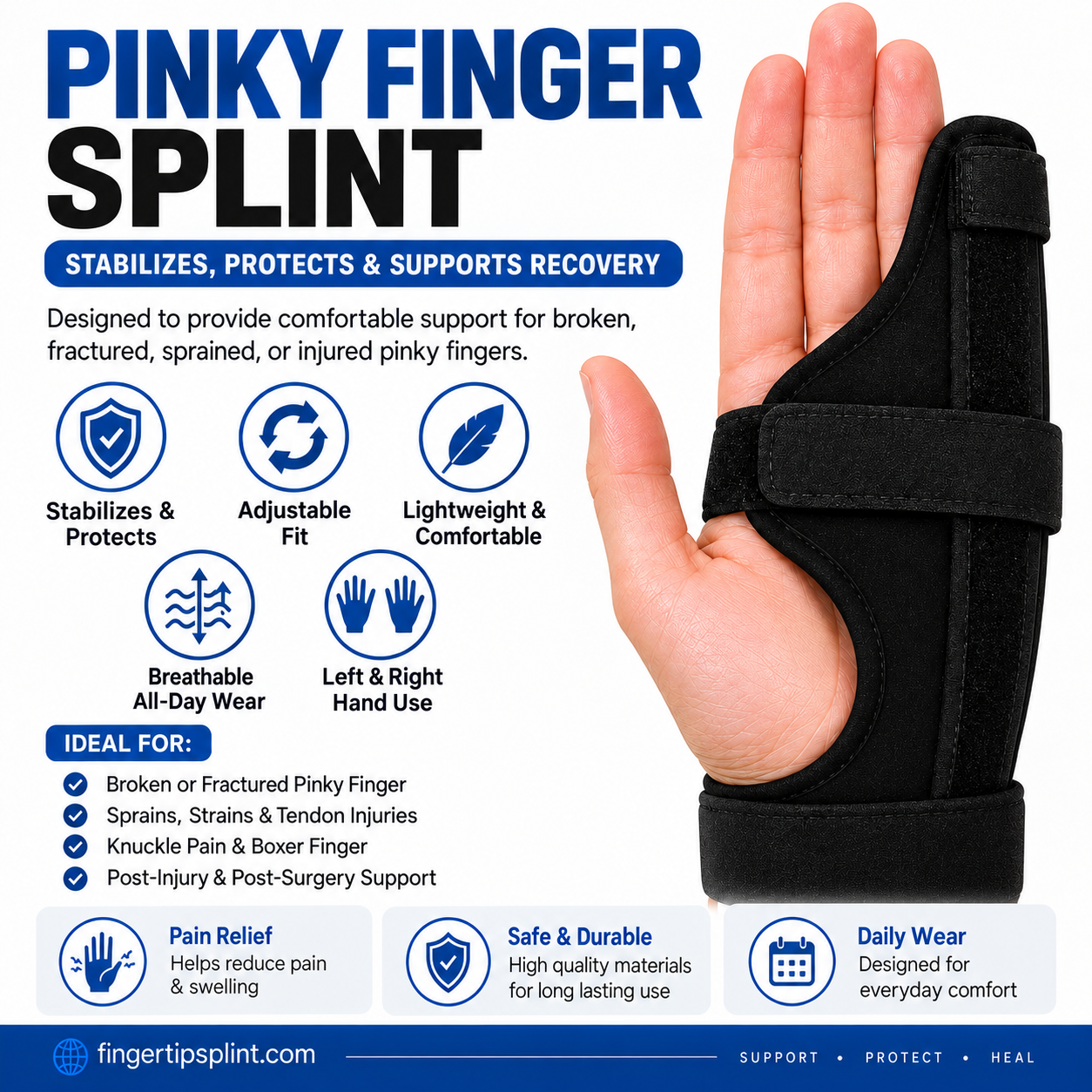
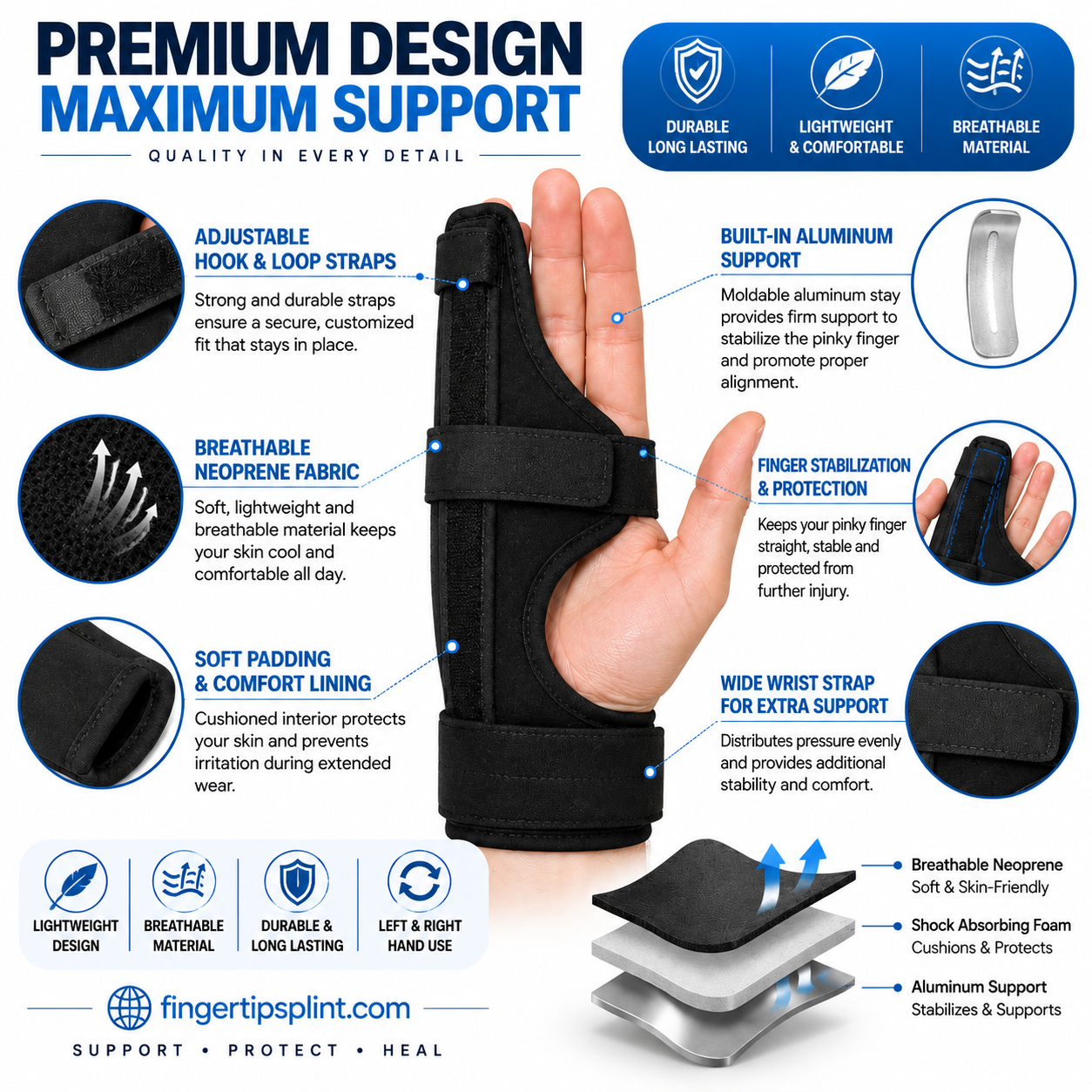
The recommended solution for many pinky injuries is an adjustable small finger splint that gives firm support without making your hand feel completely unusable.
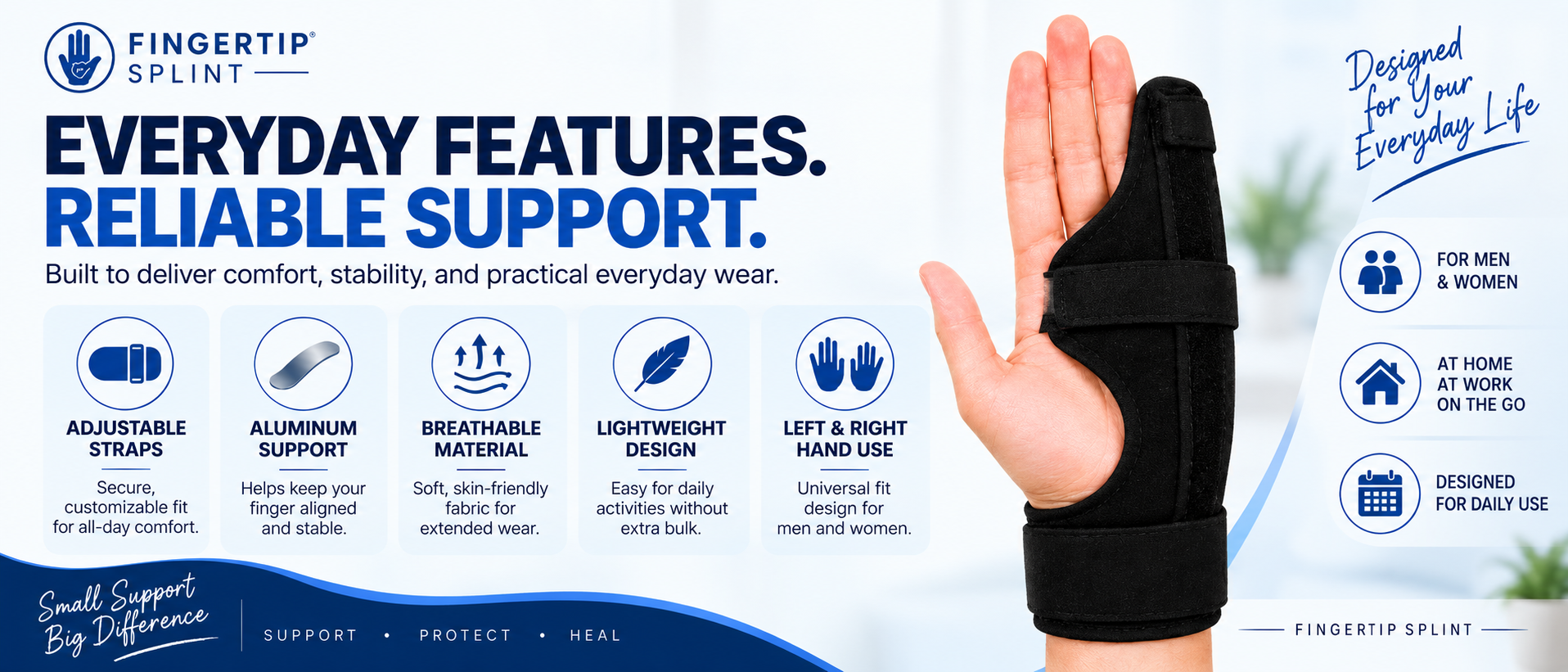
The finger splint for pinky finger is designed for users who need daily protection, comfortable wear, and stable support during recovery.
Why This Product Works Well
- Supports the pinky finger in a safer position
- Helps reduce painful movement
- Useful for sprains, strains, minor injuries, and recovery support
- Adjustable fit for comfort
- Lightweight enough for daily use
- Better than ignoring the injury and hoping it heals alone
9 Powerful Benefits of Using a Finger Splint for Pinky Finger
1. Helps Reduce Pain
Pain often increases when the injured pinky keeps bending, twisting, or hitting objects. A splint limits unnecessary movement, giving the finger a calmer environment to recover.
2. Supports Proper Alignment
When a pinky finger injury is left unsupported, the finger may bend awkwardly during sleep, work, or daily use. A splint helps keep the finger positioned more safely.
3. Protects During Daily Activities
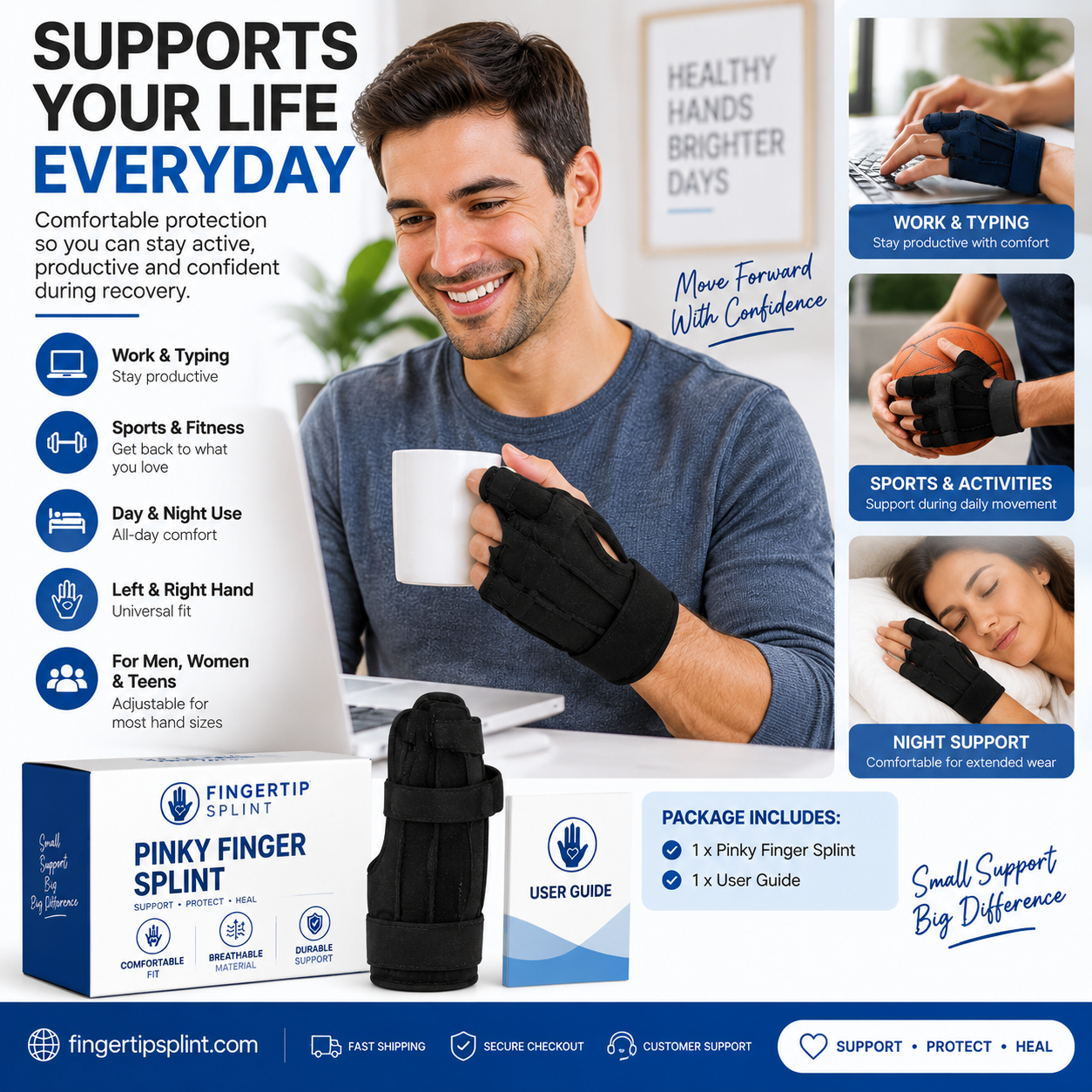
Most people cannot stop using their hands completely. A pinky splint works like a protective barrier during typing, light work, home chores, and movement.
4. Helps Prevent Further Injury
One accidental bump can make pain worse. A splint lowers the chance of repeat irritation by covering and stabilizing the injured finger.
5. Better Comfort Than Many Cast Options
A broken pinky finger cast or broken pinky cast may feel bulky for some users. A splint can be lighter, easier to manage, and more practical for everyday support.
6. Easy to Adjust
Adjustability matters because swelling can change during the day. A good pinky splint lets you secure the finger without making it too tight.
7. Supports Confidence
Finger injuries can make users nervous. You may fear hitting the finger again, bending it wrongly, or worsening the injury. A splint gives confidence because your finger feels guarded.
8. Helps Maintain Daily Routine
A splint can help you keep doing basic tasks with more control. You still need to avoid heavy use, but daily life becomes easier when the finger is protected.
9. Makes Recovery Feel More Organized
Instead of guessing what to do, wearing a splint gives your recovery a clear structure: protect, stabilize, rest, then rebuild strength later.
For more recovery strategies, you can also check this pinky splint resource page and this small finger splint guide.
Without Product vs With Product
This comparison shows why delaying support can be risky. A pinky injury may look small, but without protection, it can become painful, stiff, or slower to heal.
| Recovery Factor | Without Pinky Splint | With Pinky Splint |
|---|---|---|
| Pain | Movement may keep triggering pain | Finger feels more protected and stable |
| Healing Time | May take longer due to repeated irritation | Supports a more controlled recovery process |
| Risk | Higher risk of bending, bumping, or twisting again | Lower risk of accidental movement |
| Comfort | Daily tasks can feel stressful | Daily use becomes easier with support |
| Daily Life | Typing, gripping, and sleeping may hurt | Finger stays guarded during routine movement |
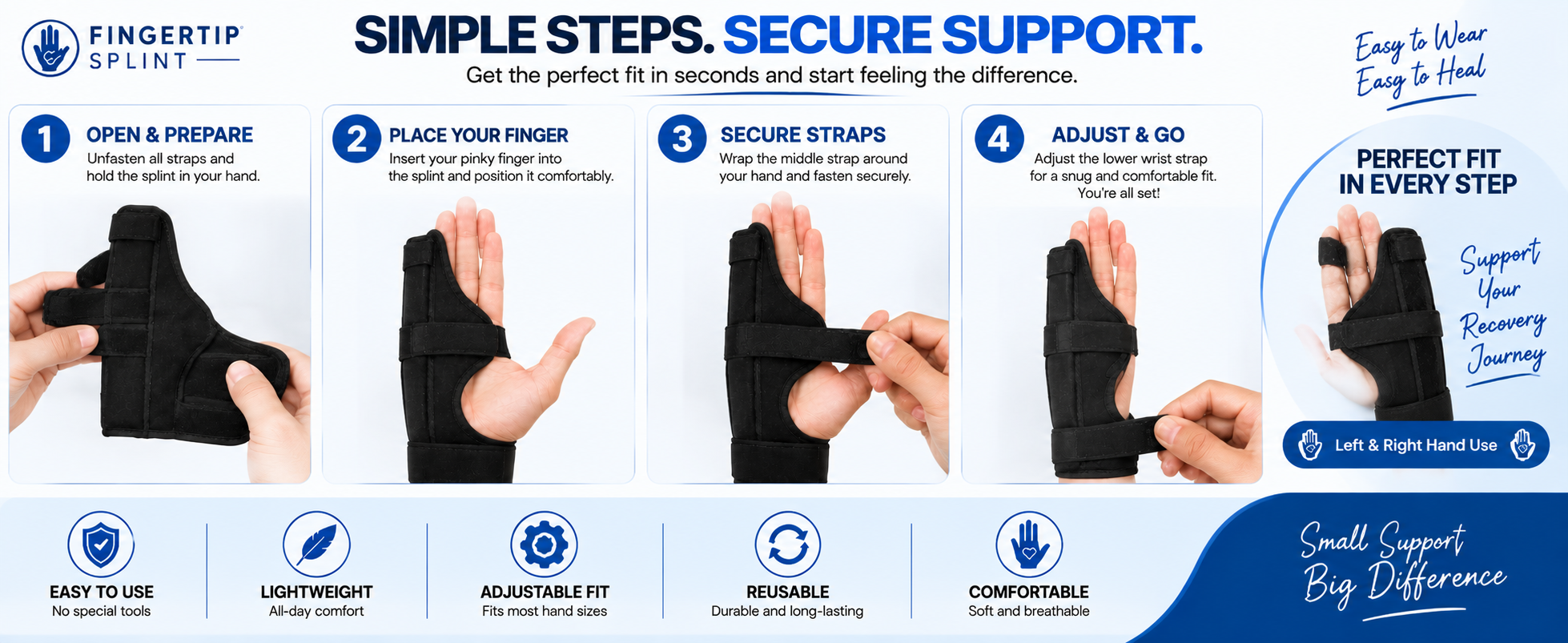
How to Wear a Splint on Pinky Finger Correctly
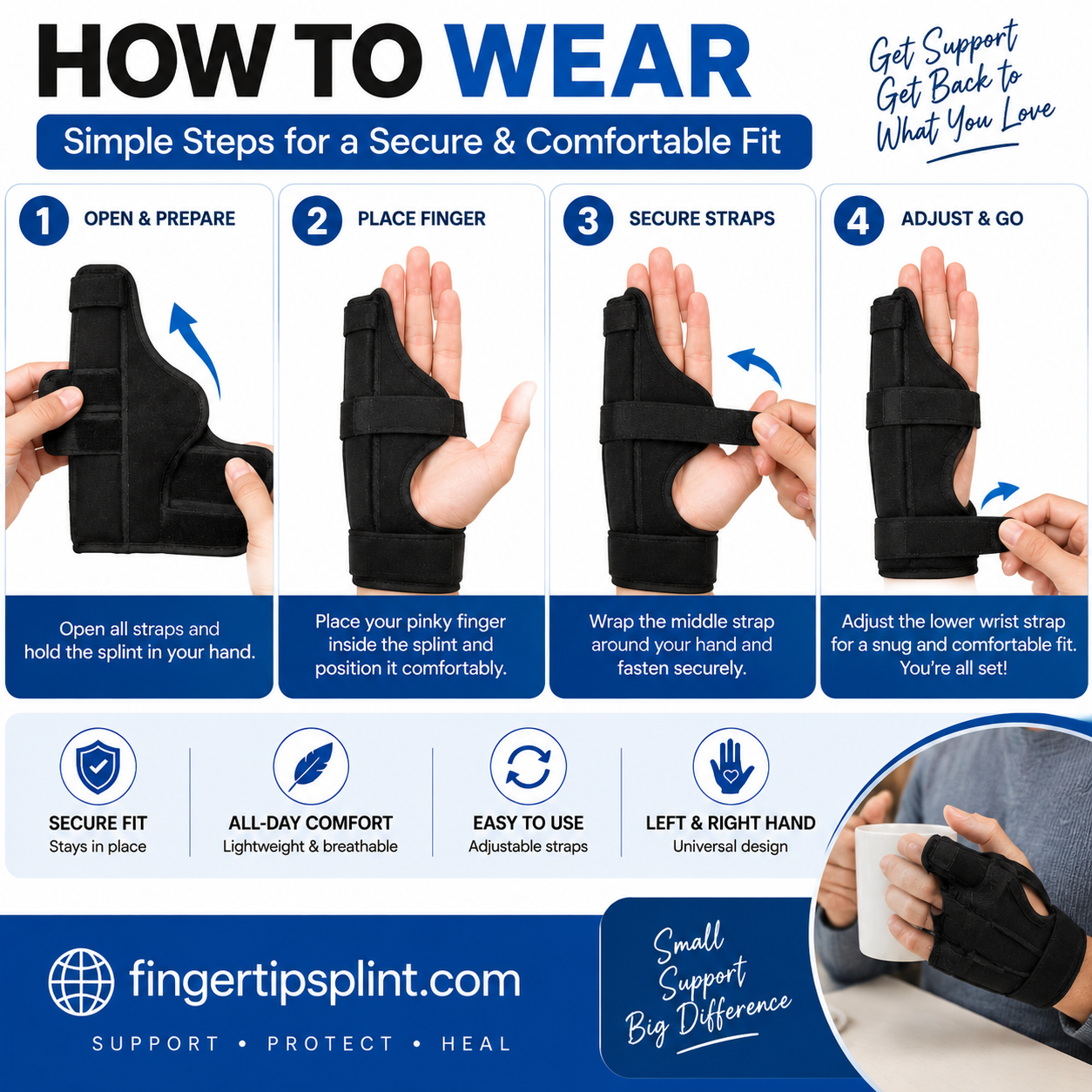
Wearing a splint correctly matters. A splint should feel secure, but it should not cut blood flow, create numbness, or cause sharp pressure.
- Clean and dry your finger: Moisture can cause irritation under the splint.
- Place the pinky in a natural position: Avoid forcing it into a painful angle.
- Apply the splint gently: The support should sit firmly around the finger.
- Adjust the strap: It should feel snug, not tight.
- Check circulation: If the fingertip becomes cold, numb, blue, or very painful, loosen it.
- Use it consistently: Support works best when worn as directed.
After the painful stage improves, gentle hand strengthening may be helpful. You can explore this finger exerciser page for recovery support after immobilization.
Quick Tips for Faster Pinky Finger Recovery
- Wear your pinky splint consistently during the early recovery stage.
- Avoid heavy lifting, sports, or gripping until pain improves.
- Keep the finger clean and dry under the splint.
- Do not make the splint too tight; comfort and circulation matter.
- Use finger protection during chores if the injury is sensitive.
- See a doctor if pain, swelling, bruising, or deformity is severe.
If you need extra finger covering for moisture or wound protection, this guide on finger cots for bandage protection can help you understand when covering the finger makes sense.
Common Mistakes That Delay Pinky Finger Healing
1. Ignoring the Injury
Many people say, “It is just the pinky.” That mindset can delay treatment. Small finger injuries can still affect grip, comfort, and hand function.
2. Removing the Splint Too Early
If the finger feels slightly better, users often remove the splint too soon. This can allow painful movement to return before healing is complete.
3. Wearing the Wrong Size
A loose splint will not stabilize well. A tight splint can cause discomfort. Choose an adjustable option when possible.
4. Using a Splint Only at Night
Night support is useful, but many injuries also need daytime protection because daily activities cause repeated strain.
5. Not Asking for Medical Advice
If your finger looks crooked, cannot move, or has severe swelling, do not rely only on online information. A doctor or hand specialist should check it.
Doctor Advice: When Should You Get Medical Help?
A splint is helpful for support, but some injuries need professional evaluation. See a doctor if your pinky finger has severe pain, visible deformity, numbness, deep bruising, or if you cannot bend or straighten it.
For general medical education, you can review finger injury information from trusted health resources such as Mayo Clinic, WebMD, Healthline, and Cleveland Clinic.
The safest approach is simple: protect the finger early, avoid painful movement, and get medical advice if the injury looks serious.
Best Recovery Bundle for Pinky Finger Support
For better recovery, think beyond one product. A smart recovery bundle can protect the finger during the painful stage, keep it clean, and help rebuild strength later.
1. Pinky Finger Splint
Use the recommended pinky finger splint for stabilization and daily protection.
2. Finger Cots
Finger cots can help protect bandages, sensitive skin, or minor cuts. Explore finger cots latex protection.
3. Finger Exerciser
After healing, gentle strengthening may help restore function. See the finger exerciser page.
4. Finger Brace Options
For users needing broader support, visit the finger brace page.
Why Buy from FingertipSplint.com?
FingertipSplint.com focuses on practical support products for finger, hand, and injury recovery. Instead of confusing buyers with too many unrelated items, the store is built around targeted orthopedic and medical support solutions.
You can explore more recovery products in the online splint shop or read more guides on the finger injury blog.
If you are unsure where to start, the pinky splint is a strong first step for small finger support because it directly targets the injured area.
Protect Your Pinky Before It Gets Worse
Don’t wait until your finger becomes more painful or difficult to use. The right splint can protect, stabilize, and support faster recovery.
FAQs About Finger Splint for Pinky Finger
Conclusion
A finger splint for pinky finger is more than a small support product. It can help protect your finger, reduce painful movement, improve confidence, and support a safer recovery routine.
If your pinky finger is painful, swollen, stiff, or vulnerable to repeated bumps, do not wait until the injury becomes worse. Choose the right support early and give your finger the protection it needs.
Final Recommendation
If your pinky finger is painful, swollen, or weak — don’t ignore it.
- For daily pain & mild injuries: Best Pinky Splint
- For fractures & stronger support: Fracture Support Splint
Choosing the right splint early can prevent long-term pain, stiffness, and improper healing.