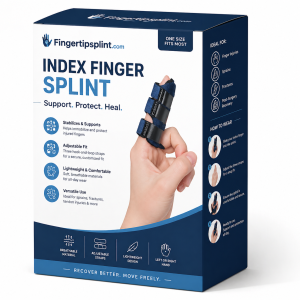
Do You Need a Splint for a Sprained Pinky Finger?
Sprained Pinky Finger pain can feel small at first, but one wrong bend, bump, or twist can make everyday work, typing, driving, gym training, and sleep uncomfortable. This guide explains when a pinky splint helps, when a doctor should check the injury, and how to protect your finger before pain turns into a longer recovery problem.
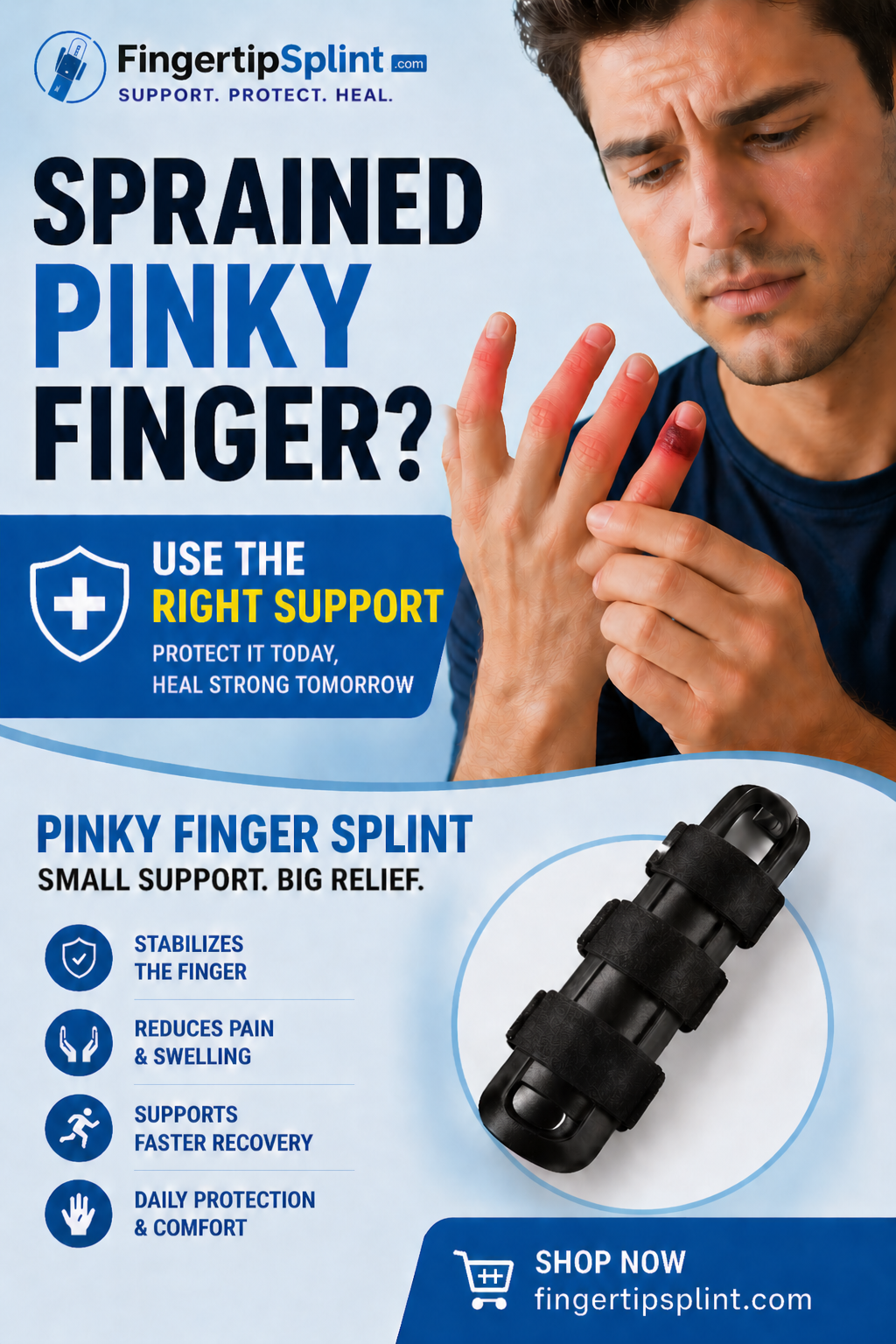
Quick Answer: Do You Need a Splint for a Sprained Pinky Finger?
A Sprained Pinky Finger may need a splint if the finger hurts when bending, feels unstable, swells after use, or keeps getting bumped during daily tasks. A splint helps limit painful movement and protect the joint, but severe pain, deformity, numbness, or suspected fracture needs medical evaluation first.
For everyday support, choose the Best Pinky Finger Splint. If your pinky pain feels stronger, swollen, or fracture-related, shop the Pinky Finger Splint for Broken & Fractured Fingers.
Table of Contents
Trust Section: Why This Guide Is Built for Real Buyers
A Sprained Pinky Finger is one of those injuries people often ignore because the finger looks small. But the small finger is not useless. It helps the hand close firmly, supports grip balance, and protects the outer side of the hand during daily movement. When the pinky is painful or unstable, you may notice discomfort while typing, holding a phone, opening a bottle, carrying shopping bags, lifting weights, playing basketball, playing cricket, or even pulling a blanket at night.
This guide is written for people who want practical medical-style guidance and a clear buying direction. It explains what a sprain is, why a finger splint for pinky finger may help, when a broken pinky finger cast may be needed instead, and how to choose a support option without making the injury worse.
For medical context, Mayo Clinic explains that sprains involve stretching or tearing of ligaments and that rest, ice, compression, and elevation are commonly used early care steps. Mayo Clinic also notes that a brace or splint may be helpful at first for some sprains. Healthline also describes RICE as an early at-home care step for sprained fingers. Mayo Clinic sprain first aid and Healthline sprained finger guide are useful external references.
Why a Sprained Pinky Finger Should Not Be Ignored
A Sprained Pinky Finger happens when the ligaments around the small finger joint are stretched or injured. Ligaments are the strong tissues that help hold joints together. When the pinky bends backward, twists sideways, gets jammed by a ball, or hits a hard surface, those tissues can become irritated, swollen, and painful. The finger may still move, so many people assume it is not serious. That assumption is where recovery often goes wrong.
The pinky finger may look small, but it has a big influence on grip. Try holding a mug, opening a tight jar, gripping a dumbbell, or typing quickly while your little finger hurts. Suddenly, the whole hand feels less powerful. A sprain can also make you subconsciously change how you use your hand. You may avoid pressing with the pinky, overuse the ring finger, or grip awkwardly. Over time, that compensation can create more discomfort in the hand.
A good Best Pinky Finger Splint can act as a physical reminder. It tells your hand, “Do not bend this finger too far.” It also creates a protective barrier when you are walking through doors, working at a desk, sleeping, cooking, or moving around other people.
Still, not every pinky injury is only a sprain. A broken pinky finger can also cause pain, swelling, bruising, and limited movement. If the finger is crooked, severely swollen, numb, blue, or sharply painful after impact, you should not rely on a home product alone. You may need an X-ray, professional splinting, or a cast. For fracture-focused support, consider the Pinky Finger Splint for Broken & Fractured Fingers.
Sprained Pinky Finger vs Broken Pinky Finger: How to Think About the Difference
A Sprained Pinky Finger and a broken pinky finger can feel similar in the beginning. Both may cause pain, swelling, bruising, stiffness, and difficulty using the hand. This is why guessing can be risky. A sprain affects ligaments; a fracture affects bone. A mild sprain may improve with rest and protection, while a fracture may need professional alignment and immobilization.
With a sprain, pain often appears around the joint. The finger may feel tender when moved sideways or bent too far. Swelling may develop gradually, and the finger may feel weak but not obviously deformed. With a broken pinky finger, there may be sharper pain after a direct hit or fall. The finger may look crooked, shortened, rotated, or unusually swollen.
For mild sprain support, shop the Best Pinky Finger Splint. For stronger injury concerns, choose the Broken & Fractured Pinky Finger Splint.
Sprained Pinky Finger Comparison: Cast vs Splint vs Buddy Taping
People often ask whether they need a cast, a splint, or simple buddy taping. The answer depends on the injury. A mild Sprained Pinky Finger may only need short-term protection, rest, and guided movement when pain improves. A more painful sprain may need a splint to control movement. A broken pinky finger may need a splint or cast depending on alignment and severity.
| Support Option | Best For | Pros | Limitations |
|---|---|---|---|
| Buddy Taping | Mild sprains or minor jammed finger support when approved | Simple, low bulk, easy to apply | Less protective than a splint; can irritate skin if done poorly |
| Pinky Splint | Sprained pinky finger support, daily protection, stability during work | More structured, adjustable, protective, easy to use | Must fit properly; not a substitute for fracture diagnosis |
| Broken Pinky Finger Cast | More serious fractures needing strong immobilization | Rigid protection and professional control | Bulky, less adjustable, usually requires professional removal |
If you are unsure, treat severe symptoms seriously. For mild pinky sprain protection, choose the Best Pinky Finger Splint. For fracture-style support, shop the Pinky Finger Splint for Broken & Fractured Fingers.
Product Solution: When a Pinky Finger Splint Becomes the Best Protection Option
A Sprained Pinky Finger needs protection from the exact movements that keep irritating it. That is where a well-designed pinky finger splint becomes valuable. It does not magically heal the ligament overnight, but it helps create a safer recovery environment. It reduces accidental bending, reminds you to avoid risky movement, and protects the little finger when life does not stop for your injury.
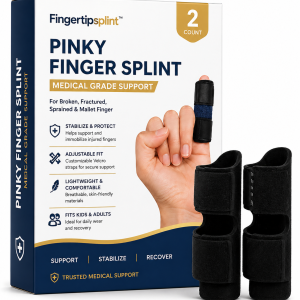
For everyday pinky support, the first recommended product is the Best Pinky Finger Splint. This is the best buy option for users who need comfortable support for pain, swelling, bending discomfort, daily protection, and small finger stability.
If your injury feels more serious, swollen, painful after impact, or possibly fracture-related, the second recommended product is the Pinky Finger Splint for Broken & Fractured Fingers. This product should be mentioned for buyers searching for stronger injury support and fracture-style pinky protection.
For shoppers comparing related supports, the orthopedic splints page gives a wider view of injury support products, while the finger brace page can help users who want broader finger stabilization options.
Benefits of Wearing a Pinky Splint for a Sprained Pinky Finger
A pinky splint helps reduce painful bending, protects the finger from accidental knocks, and gives the injured joint a more stable position during daily tasks. This matters because pinky sprains often become worse when people keep testing the finger, bending it, or bumping it during routine movement.
Daily Protection
Useful for typing, work, school, sleep, and light home activities.
Stable Support
Helps reduce unwanted movement that can irritate the injured joint.
More Confidence
Helps you feel safer while your pinky is painful or sensitive.
For general support, buy the Best Pinky Finger Splint. For stronger injury protection, shop the Broken & Fractured Pinky Finger Splint.
Protect Your Pinky Before Pain Gets Worse
If your sprained pinky finger hurts while bending, do not keep forcing it. Choose the right support, protect the small finger, and make recovery feel safer.
Conclusion: Choose the Right Pinky Support
A Sprained Pinky Finger should not be ignored. The pinky may be small, but it supports grip, balance, and daily hand comfort. A splint can help protect the finger from painful bending and accidental impact while you monitor symptoms.
For daily support, visit the Best Pinky Finger Splint product page. For stronger injury concerns, visit the Pinky Finger Splint for Broken & Fractured Fingers.