
Finger Cots for Cooking Protection: A Practical Guide for Safer Food Prep
Finger cots for cooking protection are a simple way to cover small cuts, bandages, cracked skin, or sensitive fingertips while preparing meals. If you cook at home, work in food prep, or want cleaner coverage during kitchen tasks, the right protection can help reduce mess, irritation, and daily discomfort.
This guide explains who should use them, when they help most, what mistakes to avoid, and how to choose the best protection option. For a broader complete guide to finger coverage and daily use, start with our main finger cots page.
Table of Contents
- What are finger cots for cooking protection?
- Who should use them?
- Why kitchen tasks can irritate injured fingers
- Finger cots for cooking protection benefits
- With vs without protection comparison
- How to use them correctly
- Common mistakes
- Best recovery bundle
- Doctor advice and FAQs
Quick Answer
Finger cots for cooking protection help cover small cuts, bandaged fingertips, cracked skin, or sensitive areas during food prep. They create a cleaner barrier, reduce friction, help protect dressings, and make daily kitchen work more comfortable when used correctly and changed regularly.
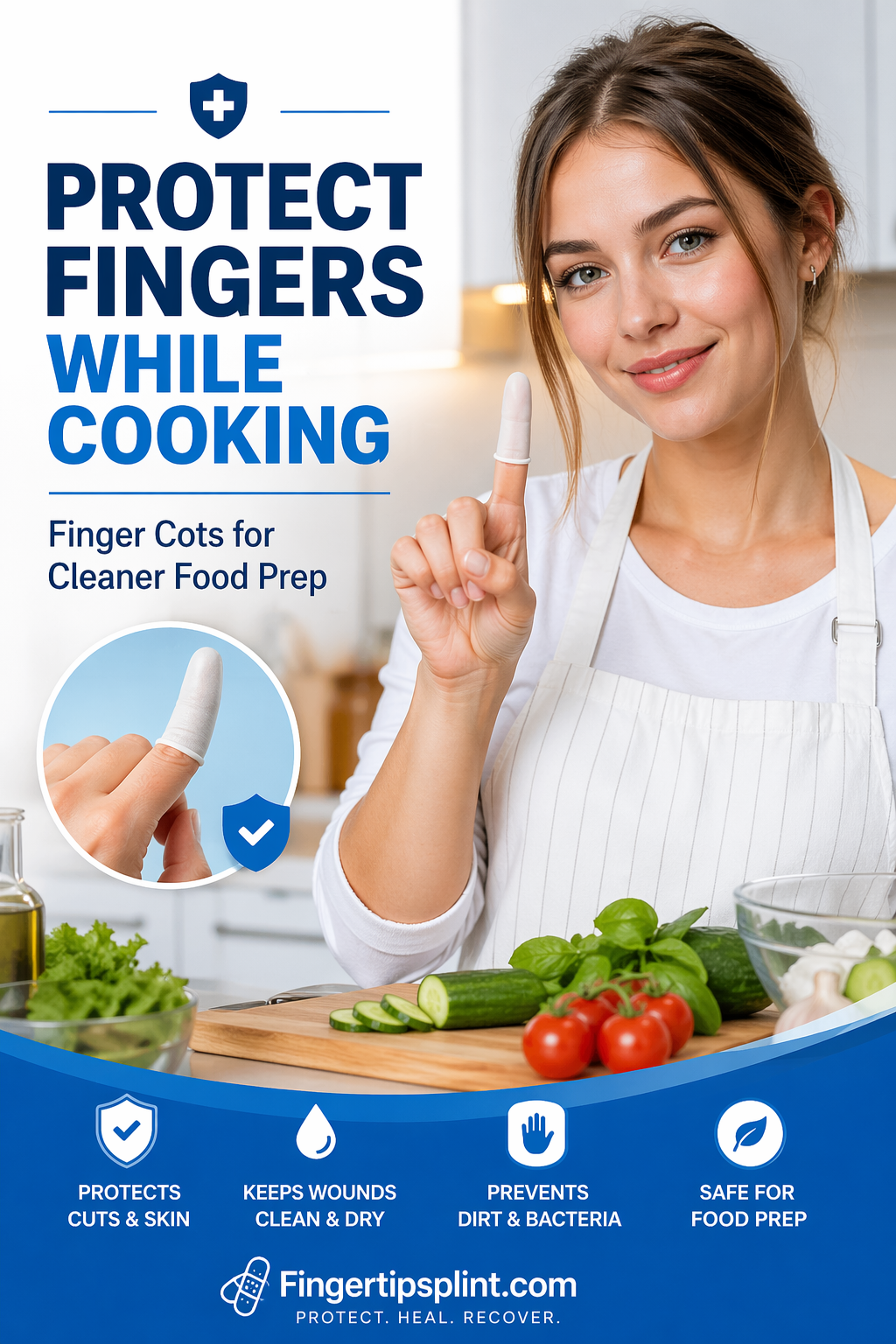
What Are Finger Cots for Cooking Protection?
Finger cots are small protective covers that fit over one finger. In a cooking setting, they are commonly used to shield a minor cut, protect a bandage, reduce direct contact with moisture, and limit irritation while chopping, washing produce, handling containers, or cleaning up after meal prep.
They are especially useful for people who want focused fingertip coverage instead of wearing a full glove. If you are comparing different forms of protection, you can also learn more about silicone-based coverage options for daily finger use.
Who Should Use Finger Cots for Cooking Protection?
Home Cooks
If you have a paper cut, small nick, cracked skin, or a fingertip bandage, finger cots can make meal prep easier and more comfortable.
Busy Workers
Anyone moving between cleaning, prep, packaging, and repetitive hand tasks may appreciate quick single-finger protection.
People with Sensitive Skin
If soap, spices, citrus juice, salt, or hot water irritate one area, targeted coverage can help you keep going.
People Protecting a Dressing
If you already have a small bandage in place, finger cots can help keep that area cleaner during short kitchen tasks.
For people dealing with broader finger recovery issues beyond kitchen use, our medical splint collection and full breakdown of orthopedic support options may help.
Why Kitchen Tasks Can Make Finger Problems Worse
The kitchen may not look like a rough environment, but it can be surprisingly irritating for an injured fingertip. Water, frequent hand use, heat, containers, towels, dish soap, seasoning, and friction all add up. Even a small cut can feel worse when you keep reopening or irritating the same spot.
- Moisture can loosen dressings and make the area uncomfortable.
- Salt, spices, lemon juice, and cleaners can sting sensitive skin.
- Repeated gripping can rub the same sore area over and over.
- Fast kitchen movement increases the chance of bumping the finger again.
If your daily routine also involves non-kitchen tasks, our article on rubber finger cots for work shows how similar protection helps in active environments too.
Finger Cots for Cooking Protection: 7 Smart Benefits
- Cleaner coverage during food prep: helps separate a minor finger issue from everyday kitchen contact.
- Helps protect small bandages: useful when you want extra coverage over a dressing.
- Less friction: reduces rubbing against utensils, packaging, towels, and surfaces.
- More confidence while cooking: you can prep ingredients with less worry about brushing the sore area.
- Single-finger convenience: less bulky than covering the whole hand when only one finger needs protection.
- Useful for short tasks: ideal for quick prep sessions, chopping, seasoning, or cleanup.
- Comfort for sensitive fingertips: helpful for cracked skin, light irritation, or healing nicks.
Some people also prefer pairing them with finger sleeves for comfort in non-cooking situations, especially when they want extra softness after kitchen tasks are done.
With vs Without Finger Cots
| Daily Kitchen Situation | Without Protection | With Finger Cots |
|---|---|---|
| Pain / irritation | More likely to sting or rub during prep | Helps reduce direct contact and friction |
| Healing comfort | Area may get repeatedly bumped | More comfortable for short kitchen tasks |
| Risk of mess | Bandage may loosen or get dirty faster | Extra barrier over a covered finger |
| Comfort | Sensitive fingertip stays exposed | Targeted one-finger protection |
| Daily life | Cooking feels more annoying or awkward | Food prep feels easier and more controlled |
How to Choose the Best Protection Option
Not every finger problem needs the same solution. If the issue is light and mostly about covering a fingertip during food prep, finger cots are often the best protection option. If you need structured support for injury recovery, you may need a splint instead.
Choose Finger Cots If:
- You need quick, targeted fingertip coverage
- You are protecting a minor cut or bandage
- You want something simple for cooking tasks
- You do not need rigid finger support
Choose a Splint If:
- You have pain from a sprain or impact
- You need more stability or immobilization
- You are managing a more serious injury
- You need structured finger positioning
If support is part of your recovery, compare options like a stack splint, mallet finger splint, or finger splint for pinky finger depending on the area involved.
How to Use Finger Cots for Cooking Protection Correctly
- Wash and dry your hands fully before putting anything on.
- Cover the finger only after any small dressing is secure.
- Use the correct size so it feels snug but not painfully tight.
- Wear it for the task, then remove and replace as needed.
- Do not keep using a damaged or dirty finger cot.
- Return to a fresh covering if it becomes loose, wet, or messy.
This is also a good time to review smart hand protection habits. Our older guide on silicon finger protector cuts covers similar protective thinking for sensitive fingers.
Quick Tips for Better Kitchen Protection
- Keep finger cots nearby before starting prep so you do not skip protection.
- Use fresh coverage for cleaner food prep sessions.
- Avoid overly tight sizing that causes discomfort.
- Switch to a new one if moisture or food contact becomes an issue.
- Use them as a short-task protection tool, not as a substitute for proper care.
- If you need more support than coverage, move to a finger brace or splint solution.
Common Mistakes to Avoid
- Using the wrong size: too tight feels uncomfortable, too loose slips during prep.
- Using them too long without changing: kitchen tasks can quickly make coverage less useful.
- Ignoring the actual injury: protection is helpful, but it does not replace proper wound care.
- Using finger cots when you really need support: if your problem is structural pain, use a brace or splint instead.
- Assuming every finger issue is minor: repeated pain, swelling, deep cuts, or worsening symptoms need professional advice.
Recommended Solution for Daily Kitchen Use
If your main goal is cooking comfort, protecting a bandaged fingertip, or keeping a minor sore area covered during meal prep, finger cots are the recommended solution. They are simple, focused, and easy to use without covering the entire hand.
For shoppers comparing recovery accessories, you can browse our shop collection, view the main blog for related guides, or return to our finger cots page for a more complete guide.
Best Recovery Bundle
For some users, the smartest setup is not just one item. A simple bundle can cover both protection and comfort across the day:
- Finger cots for short cooking and cleanup tasks
- Finger sleeves for softer daily comfort afterward
- Finger brace or splint if support is needed outside the kitchen
This layered approach works well for people who cook, clean, type, and handle daily chores with the same irritated finger.
Doctor Advice: When to See a Professional
Finger cots for cooking protection are useful for light daily coverage, but they are not a replacement for proper medical care. If the finger is deeply cut, swollen, red, draining, very painful, or not improving, get professional advice.
- See a clinician if a cut is deep or keeps reopening.
- Get help if you suspect infection, severe tenderness, or spreading redness.
- Consider evaluation if you cannot bend the finger normally or pain feels structural.
General wound care guidance from trusted resources like Mayo Clinic, WebMD, Healthline, and Cleveland Clinic also supports keeping wounds clean and watching for signs that need medical attention.
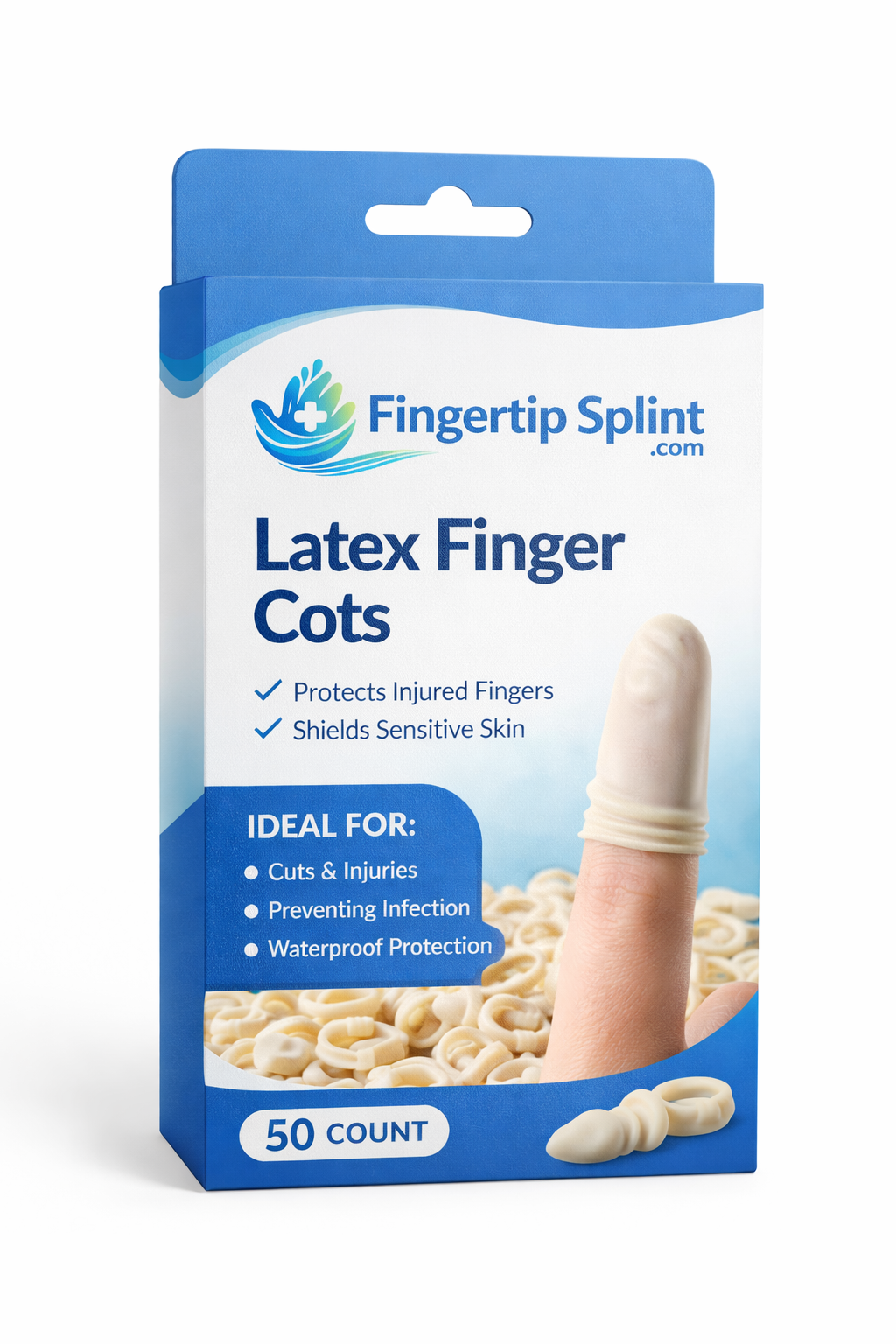
Protect Your Finger While You Cook
If kitchen prep keeps irritating the same sore fingertip, choose a cleaner and more comfortable solution. Finger cots are a practical option for quick daily cooking protection.
Learn more in our full breakdown if you also want to compare broader protection and support options.
Shop Finger Cots NowFAQs
Conclusion
Finger cots for cooking protection are a smart choice when you want simple, targeted coverage for a minor fingertip issue during food prep. They help protect sensitive skin, reduce daily irritation, and make short kitchen tasks more manageable. If your goal is cleaner prep, more comfort, and less friction, they are often the best protection option for the job.