
Finger Protector Brace Explained: Features, Fit and Everyday Uses
What does a finger protector brace actually do? Your fingers are constantly exposed during routine activities — keyboard work, writing, handling objects, household tasks. Some people want an additional layer of coverage around a vulnerable or sensitive area. A protector-style brace can combine coverage, support, and positioning, depending on its construction. This guide explains what a finger protector brace is, its key features, how it should fit, and where it can be useful during everyday activities.
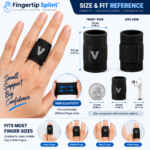
What This Guide Covers
- Quick Answer
- What Is a Finger Protector Brace?
- 3D Anatomy
- Key Features
- How It Should Fit
- Coverage: Why It Matters
- Movement & Design
- Vs Finger Sleeve
- Vs Finger Splint
- Everyday Uses
- A Day With a Protector Brace
- How to Put It On
- Common Fit Problems
- Who Might Consider It
- Product Spotlight
- Find the Right Design
- What to Know Before Using
- Mistakes to Avoid
- Quick Tips
- FAQ
Quick Answer: What Is a Finger Protector Brace?
A finger protector brace is a wearable product designed to provide coverage, support, or protective characteristics around a finger, depending on its construction. It may combine a protective outer layer, a supportive structure, or adjustment features that allow positioning to be customized. The exact level of protection depends on the specific product’s materials, coverage, and intended use.
If you’re completely new to finger support products, the A Beginner’s Guide to Finger Support Sleeves and Their Uses article covers the foundational concepts. This guide focuses specifically on the protector-brace category — what it is, how it’s built, and how it fits into everyday use.
What Is a Finger Protector Brace?
The term “finger protector brace” combines three concepts. Let’s break them down:
Finger
The body area being covered. This distinguishes it from other support products designed for wrists, hands, or elbows.
Protector
Suggests a design emphasis on shielding or covering a particular area. The word “protector” signals a coverage-focused design approach.
Brace
Generally implies a device intended to support, position, or stabilize, depending on its design. Braces can range from soft to semi-structured.
Combined, a finger protector brace is a product that covers a specific portion of the finger while providing some combination of support, positioning, or protective characteristics. The exact function depends on the actual product’s construction — not on the label alone.
Important: The term “protector” doesn’t automatically mean the product protects against every type of hazard. A finger protector brace is designed to provide coverage and support around the finger — not to protect against impact, cuts, heat, chemicals, or serious injury unless specifically rated for that purpose. For the broader category landscape, see Finger Support Products Explained: Where Do Sleeves Fit In?
Interactive 3D: Inside a Finger Protector Brace
Tap each component to understand what it does
👆 Finger
The foundation. Finger shape, size, and the specific area needing coverage determine how the brace should be positioned. Different fingers require different sizing.
Actual construction varies by product. Always check the manufacturer’s specifications for the specific protector brace you’re considering.
Key Features of a Finger Protector Brace
Rather than simply listing features, this section explains what each feature does and why it matters in practice.
Feature 1 — Coverage
Which portion of the finger does the brace cover? Coverage determines which area receives protection or support. Some braces cover the fingertip; others cover a middle section, a joint, or most of the finger. Coverage should match the area you actually need protected.
Feature 2 — Support
Does the construction provide flexible support or more structured positioning? A soft, flexible brace may provide light support with preserved movement. A more structured brace may provide more consistent positioning. The right level depends on your intended use.
Feature 3 — Material
What material is used and how does it interact with skin and movement? Material affects comfort, breathability, durability, and how the brace feels against the skin. Different materials suit different activities.
Feature 4 — Flexibility
How much natural finger movement can the design accommodate? Flexible construction preserves movement for typing, writing, and phone use. Less flexible construction may provide more stability but reduce movement.
Feature 5 — Thickness
How does thickness affect profile and everyday usability? Thinner braces preserve dexterity and feel less noticeable. Thicker braces may offer more cushioning but can interfere with fine motor tasks.
Feature 6 — Edges and Seams
Can construction affect comfort or movement? Smooth, well-finished edges reduce friction. Seams positioned away from high-movement areas support long-wear comfort.
Feature 7 — Fastening
Is it fixed, elastic, adjustable, or secured another way? The fastening approach affects how easily the brace can be applied, adjusted, and removed.
Feature 8 — Profile
How noticeable or bulky is the product during everyday activities? Profile affects how the brace interacts with keyboards, pens, phones, and everyday objects.
For the broader design context, see Finger Support Sleeves Explained: Features, Uses and Design.
How Should a Finger Protector Brace Fit?
Fit determines whether a protector brace actually does its job. Here’s the practical framework:
❌ Too Loose
- Sliding during movement
- Bunching
- Reduced coverage
- Repositioning problems
✅ Correct Fit
- Stays in intended position
- Covers the intended area
- Doesn’t continuously shift
- Allows appropriate movement
- No unnecessary pressure
❌ Too Tight
- Discomfort
- Pressure marks
- Numbness or tingling
- Concerning discoloration
For a complete fit framework, see Finger Brace Fit Guide: Understanding Adjustability and Coverage.
Coverage: Why It Matters
Coverage is the primary concept behind the word “protector.” The brace’s coverage area determines which portion of the finger receives protection or support.
Interactive: Coverage vs Movement
Tap each coverage level to see the trade-off
🎯 Minimal Coverage
Covers only a small portion of the finger — often the fingertip or a single joint. Preserves maximum movement and dexterity. Less overall protection. Useful when only a specific small area needs coverage.
More material around a finger may affect movement depending on construction. Consider what area you actually need protected and match coverage to that need.
Finger Movement and Protector Brace Design
How a protector brace affects movement depends on several design factors. Here’s what to consider:
| Design Characteristic | Possible Practical Effect |
|---|---|
| Flexible material | Easier movement, better for fine motor tasks |
| Thicker construction | More noticeable, may reduce dexterity |
| Extended coverage | More protected area, potentially more bulk |
| Structured component | Potentially more movement restriction |
| Low-profile design | Easier integration into routine activities |
These are general tendencies, not universal rules. The actual effect depends on the specific product’s construction and how it fits your finger.
Finger Protector Brace vs Finger Sleeve
Both protectors and sleeves are finger support products, but they may differ in design emphasis.
Finger Sleeve
- Emphasizes flexible coverage and support
- Usually low-profile design
- Relies primarily on material stretch and fit
- Preserves natural movement
- Simple construction without additional components
Finger Protector Brace
- May incorporate additional structure or protective design
- Coverage emphasis may be more intentional
- May include fastening or adjustment features
- Movement depends on construction
- May be more substantial than a simple sleeve
Neither is universally better. For a deeper comparison of support types, see Sleeve or Brace: Exploring Different Types of Finger Support.
Finger Protector Brace vs Finger Splint
The distinction between a protector brace and a splint is primarily about design intent:
Protector Brace
May prioritize coverage, support, positioning, or protection depending on construction. Design intent is usually comfort, coverage, and everyday usability.
Splint
Generally has a stronger emphasis on controlling or limiting movement. Design intent is usually stabilization, positioning, or immobilization.
Terminology varies between manufacturers. Evaluate the actual product specifications rather than relying solely on the label. For the full comparison, see Finger Support Sleeve vs Finger Splint: What’s the Difference?
Everyday Uses of a Finger Protector Brace
This is the second major pillar of the article. Here’s how a protector brace fits into different everyday activities.
⌨️ Typing
Frequent finger movement and low profile matter. A thin, flexible protector brace works best.
✍️ Writing
Grip and finger flexibility matter. A brace that doesn’t interfere with pen control works best.
📱 Smartphone Use
Touchscreen interaction and fingertip movement matter. Thin material preserves sensitivity.
📚 Studying
Long periods of repetitive hand use make comfort important. Breathability matters.
💼 Office Work
Fit and low bulk can matter. Versatility across desk activities is important.
🏠 Light Household Tasks
Coverage and secure positioning may be relevant. Durability matters.
✈️ Travel
Compactness, easy adjustment, and easy care matter. Portability is important.
Important: A protector brace doesn’t make these activities safe or prevent injury. It provides coverage and support around the finger — not full protection from hazards. For more activity-specific guidance, see Finger Protector Sleeves for Everyday Activities: What to Know.
Interactive: A Day With a Finger Protector Brace
Tap each moment to see what to consider
🌅 Morning — Getting Ready
Movement required: Light activity — dressing, handling items.
Coverage needed: Depends on your area of concern.
Fit consideration: Easy application without complex adjustment.
What to check: Ensure the brace is positioned correctly before the day begins.
How to Put On a Finger Protector Brace
Here’s the practical 7-step sequence for applying a protector brace correctly:
Important: Don’t force the finger into uncomfortable positions. If the brace causes pain, numbness, tingling, or significant discoloration, remove it. Persistent symptoms warrant professional advice.
Common Fit Problems
Here’s a troubleshooting guide for common issues and what to check:
Possible reason: loose or incorrect positioning.
Check: size and placement.
Possible reason: excess material or incorrect length.
Check: position and construction.
Possible reason: design or fit too tight.
Check: movement and adjustment.
Possible reason: too tight or poor positioning.
Check: loosen or reposition.
Possible reason: incorrect size or wrong design.
Check: coverage dimensions.
Possible reason: material, moisture, or friction.
Check: remove and inspect.
Who Might Consider a Finger Protector Brace?
This is a use-case based section, not a diagnosis-based one. A protector brace may be relevant for someone looking for:
Additional Finger Coverage
A physical layer around a specific finger area.
Flexible Support
Light support that preserves natural movement.
Low-Profile Protective Design
Coverage without significant bulk.
More Secure Positioning
Adjustment features that keep the brace in place.
Everyday Usability
Practical support for daily activities.
Area-Specific Coverage
A product designed around a particular finger area.
When a Protector Brace May Not Be Enough
If you have any of the following, professional assessment may be appropriate:
🩹 Significant injury
🦴 Visible deformity
💧 Major swelling
⚡ Persistent numbness or tingling
🚫 Significant loss of movement
📈 Worsening symptoms
Product Spotlight: Where a Protector Brace Fits
Here’s a specific product to consider if coverage, fit, and everyday usability are your main priorities. The Adjustable Finger Support Sleeve is one design worth examining — it combines a protective sleeve approach with adjustable fit.
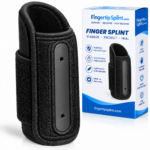
Adjustable Finger Support Sleeve
- Adjustable design for customizable fit
- Protective sleeve-style construction
- Product specifications available on the product page
- Designed for finger coverage and positioning
- Available to explore with current product details
Check the product page for: design details, coverage area, material, fit information, adjustment mechanism, and intended applications. For buyer guidance, see Finger Support Sleeve Buying Guide: Fit, Design and Comfort and Choosing an Adjustable Finger Support: What Should You Consider?
Interactive: Find the Right Protector Design
Select what matters most to you. This is a product-characteristic selector, not a medical diagnostic tool.
Select your priority above to see guidance.
What Should You Know Before Using a Finger Protector Brace?
Before using any finger support product, keep these considerations in mind:
Product Labels Don’t Replace Diagnosis
A consumer protector brace isn’t a diagnostic tool. It provides coverage and support — it doesn’t identify or treat a medical condition.
Different Problems Need Different Support
Finger injuries and conditions vary. A flexible protector brace may not provide the immobilization required for certain injuries.
Not a Substitute for Prescribed Devices
If a splint or immobilization device has been prescribed, a protector brace is not a substitute. Follow professional guidance.
Persistent Symptoms Need Assessment
Worsening or persistent symptoms warrant professional evaluation rather than continued product use.
Follow Healthcare Instructions
If using the brace alongside treatment, follow your healthcare provider’s instructions regarding its use.
Follow Manufacturer Instructions
Follow the manufacturer’s guidance for fit, cleaning, and appropriate use of the specific product.
For trusted guidance, see the AAOS OrthoInfo hand and wrist conditions library, Mayo Clinic, and Cleveland Clinic. For broader perspectives, see Johns Hopkins Medicine and NIH. If a neurological component is involved, NINDS offers specialist resources. For regulatory context on medical devices, the FDA is authoritative, and for general public health information, the CDC is a trusted source. Additional health resources include Healthline and WebMD.
Mistakes to Avoid
These seven mistakes are easy to make with protector braces. Avoiding them leads to better fit and use:
The label alone doesn’t tell you what the product protects against or how it’s designed. Check specifications.
Coverage should match the area you need protected. Don’t assume all protectors cover the same zones.
Sizing systems vary. Guessing leads to poor fit. Always follow the manufacturer’s chart.
Excessive tightness causes discomfort and can restrict circulation. Snug is the goal, not tight.
Match the brace’s flexibility to the movement your activity requires.
Persistent numbness, tingling, discoloration, or pain signals that you should remove it and seek advice.
Different products serve different purposes. Match the product type to your need.
Quick Tips for Protector Brace Users
These seven tips make the protector brace experience smoother:
Frequently Asked Questions
A finger protector brace is a wearable product designed to provide coverage, support, or protective characteristics around a finger, depending on its construction. The term combines three concepts: “finger” (the area covered), “protector” (suggesting a coverage-focused design), and “brace” (implying support, positioning, or stabilization). The exact function depends on the actual product’s materials, coverage, adjustment features, and intended use.
A finger protector brace works by creating a layer around the finger that provides coverage, support, or positioning. Depending on the design, it may combine a protective outer layer, a supportive structural layer, an inner contact surface, and fastening or adjustment components. The brace sits around a specific portion of the finger and maintains that position through fit and, if applicable, adjustment. The overall effect depends on how the specific design interacts with your finger and activity.
Key features to consider include coverage (which portion of the finger is protected), support level (flexible vs more structured), material (comfort, breathability, durability), flexibility (movement preserved), thickness (profile and dexterity impact), edges and seams (comfort during wear), fastening approach (fixed, elastic, or adjustable), and profile (how noticeable it is during activities). The right combination depends on your intended use.
A properly fitting protector brace should stay in the intended position, cover the intended area, and not continuously shift during normal movement. It should allow movement appropriate to its design and not create unnecessary pressure. A brace that’s too loose will slide and bunch; one that’s too tight can cause discomfort, pressure marks, numbness, or tingling. A tighter fit isn’t automatically a more protective fit.
Yes, many people use protector braces during everyday activities including typing, writing, smartphone use, studying, office work, light household tasks, and travel. The best design depends on the activity — thin, flexible designs work well for typing and writing, while more substantial designs may suit situations where coverage matters more than dexterity. Remember that a protector brace provides coverage and support, not full protection from hazards.
A finger sleeve typically emphasizes flexible coverage and support with a low-profile design. A finger protector brace may incorporate additional structure, more intentional coverage emphasis, or fastening and adjustment features. Sleeves usually rely primarily on material stretch and fit, while protector braces may include components for positioning or adjustment. The distinction varies by product, so always check the specific specifications.
Not necessarily. A protector brace may prioritize coverage, support, positioning, or protection depending on its construction. A splint generally has a stronger emphasis on controlling or limiting movement, and is often designed to stabilize or immobilize. Terminology varies between manufacturers, so evaluate the actual product specifications rather than relying solely on the label. If a splint has been prescribed, a protector brace is not a substitute.
Seek professional advice if you have a significant injury, visible deformity, severe or worsening pain, major swelling, persistent numbness or tingling, substantial loss of movement, or symptoms that aren’t improving. Also seek advice if a specific type of support has been prescribed. A protector brace is a consumer support product — it can’t diagnose or treat a medical condition. Trusted resources include AAOS OrthoInfo, NHS, MedlinePlus, Mayo Clinic, and Cleveland Clinic.
Coverage. Fit. Everyday Usability.
A finger protector brace provides an additional layer of coverage and support around a finger. Explore the FingertipSplint option and compare it against your own requirements. Protection → Construction → Fit → Movement → Everyday Activity
The Bottom Line on Finger Protector Braces
A finger protector brace is a wearable product designed to provide coverage, support, or protective characteristics around a finger. Its exact function depends on construction — materials, coverage area, flexibility, adjustment features, and intended use all influence how it performs. Understanding these features helps you evaluate whether a specific protector brace matches your needs.
Coverage and fit are the two most important practical considerations. Coverage determines what area receives protection or support. Fit determines whether the brace stays in position and feels comfortable during wear. Match both to your actual activities and requirements.
For readers ready to explore a specific product, the Adjustable Finger Support Sleeve product page is a natural next step. For related reading, see Adjustable Finger Support Sleeve: What Is It and How Does It Work? and What Makes an Adjustable Finger Protector Useful for Daily Wear? Explore the full FingertipSplint blog library for more guides.
This article is for general information only and is not a substitute for professional medical advice. Always consult a qualified healthcare provider for diagnosis and treatment of any medical condition.